 Home
Home
 Roadside Assistance
 Periodic Service (SOW)
 Corporate Partnership


.webp&w=48&q=75&dpl=dpl_8RapWvh1zVezpBPK66yKqsf6U6Sx "On-Road Emergency Assistance Service")



When it comes to road safety, nothing is more important than a car’s braking system. Imagine driving down a busy highway when suddenly your brake pedal feels soft, or your car takes longer to stop than usual a terrifying situation that every driver dreads. Brake fail incidents are more common than many realize, and the warning signs often appear long before a complete failure happens. Recognizing these early symptoms can help you avoid dangerous situations, costly repairs, and potential accidents on the road.
In this blog, we’ll explore the top warning signs that your brakes may fail, what they mean, and how you can stay safe by addressing them promptly. We’ll also discuss essential maintenance practices and when it’s time to call professionals like Crossroads Helpline for emergency roadside assistance. If you want peace of mind every time you hit the road, understanding your brake system is the first step toward safer driving.
Things to Know Before Your Brakes Fail
Before diving into the common signs of brake failure, it’s crucial to understand how your braking system works and what factors influence its performance. Your brakes rely on a combination of hydraulic pressure, friction, and heat management to bring your vehicle to a safe stop. Over time, wear and tear can reduce efficiency, leading to warning signs that shouldn’t be ignored.
1. Understanding Brake Components and Their Function
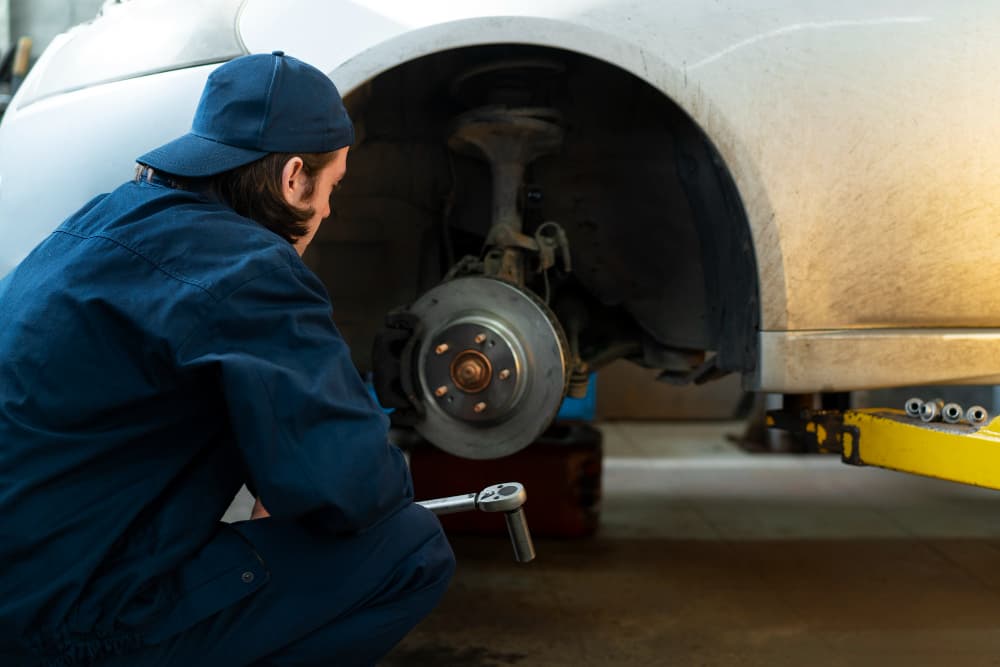
Your car’s braking system consists of several parts, including brake pads, rotors, calipers, and brake fluid. Each plays a vital role in ensuring effective stopping power. The brake pads create friction against the rotors, converting kinetic energy into heat and slowing your vehicle down. If any of these components start to degrade, your brakes’ responsiveness may decrease, putting your safety at risk.
Regular maintenance and inspection of these components can prevent early deterioration. Keeping your brake fluid clean and at optimal levels ensures proper hydraulic pressure, while checking the condition of pads and rotors minimizes the risk of uneven braking. These proactive steps help prevent minor issues from escalating into a full brake fail scenario.
2. The Role of Brake Fluid in Preventing Brake Fail
Brake fluid is the lifeblood of your braking system. It transmits the pressure from your foot on the pedal to the brakes at each wheel. However, brake fluid can absorb moisture over time, reducing its effectiveness and potentially causing internal corrosion in brake lines and cylinders.
Replacing brake fluid at recommended intervals keeps your system responsive and prevents air bubbles or contaminants from interfering with braking power. Neglecting this crucial maintenance task is one of the leading causes of brake failure and spongy pedals. Always refer to your vehicle’s manual or consult professionals for proper brake fluid maintenance.
3. Environmental Factors That Affect Brake Performance
Driving habits, weather conditions, and road types all impact brake performance. Frequent driving in stop-and-go traffic, for example, accelerates brake pad wear. Similarly, driving downhill for extended periods can cause overheating, leading to brake fade.
Humidity and cold weather can also influence brake response. Regularly checking your brakes in such conditions can prevent unexpected issues. Knowing how environmental elements affect your vehicle helps you anticipate maintenance needs before they become critical safety concerns.
4. Importance of Regular Brake Inspections
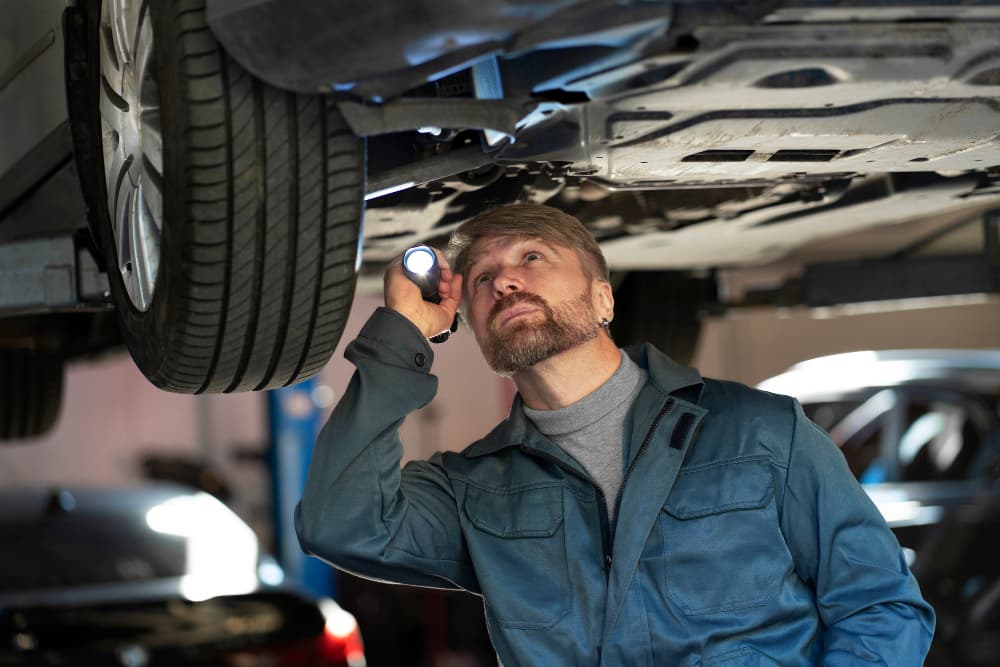
Routine brake inspections are key to preventing accidents. Professionals can identify early signs of wear that aren’t always visible or noticeable during everyday driving. A comprehensive check involves examining the pads, rotors, fluid levels, and the brake lines for leaks or damage.
Ignoring inspections may result in hidden damage worsening over time, leading to more severe issues. Scheduling regular maintenance with trusted service providers like Crossroads Helpline ensures your brakes remain reliable, keeping you safe on every journey.
5. Common Misconceptions About Brake Maintenance
Many drivers believe brakes only need attention when they make noise, but this is a dangerous misconception. In reality, brakes can deteriorate silently until it’s too late. Another myth is that new cars don’t require brake inspections for several years but driving habits and environmental factors can accelerate wear, regardless of the vehicle’s age.
Staying proactive about brake maintenance can save you from unexpected breakdowns and costly repairs. Understanding these misconceptions helps drivers prioritize safety and avoid becoming another statistic in brake fail accidents.
Top Warning Signs Your Brakes May Fail
Recognizing early warning signs can save lives. Below are the most common indicators that your braking system may be compromised.
1. Squealing or Grinding Noises
One of the first signs of brake trouble is an unusual noise when you press the pedal. A high-pitched squeal often indicates that the brake pads are worn down and need replacement. If ignored, it can progress to grinding, which means the pads have worn completely through and are damaging the rotors.
Driving with worn pads not only increases stopping distance but can also lead to rotor replacement an expensive repair. Always address strange sounds immediately to avoid full brake fail scenarios and ensure smooth, quiet operation.
2. Soft or Spongy Brake Pedal
A soft brake pedal indicates air or moisture in the brake lines, both of which compromise hydraulic pressure. This often leads to a delayed response when braking, significantly increasing the risk of an accident.
If you notice your pedal sinking too easily or requiring extra pressure, have your brake system inspected immediately. A professional flush can restore firmness and prevent a total loss of braking ability, keeping your vehicle safe and responsive.
3. Car Pulling to One Side While Braking
When your car pulls to one side while braking, it usually means uneven brake pad wear or a malfunctioning caliper. This imbalance can make your vehicle unstable, especially at high speeds.
Ignoring this issue can worsen tire wear and put extra strain on your suspension. Addressing it early ensures smoother, safer braking and extends the lifespan of your braking components.
4. Warning Lights on the Dashboard
Modern vehicles are equipped with brake warning lights that alert you when there’s an issue with the ABS system, brake fluid, or other components. Never ignore these indicators.
Even if your car seems to brake normally, an illuminated warning light could mean a hidden fault. Visit a certified technician to diagnose the issue before it leads to a serious brake fail.
5. Burning Smell or Smoke After Braking
If you detect a burning odor after braking, it could be a sign of overheated brakes or a stuck caliper. In severe cases, you might even see smoke coming from your wheels.
Overheating reduces braking efficiency and can warp rotors, leading to costly repairs. If this happens, pull over safely, allow the brakes to cool, and contact Crossroads Helpline for immediate assistance.
6. Vibration or Pulsation When Braking
A vibrating brake pedal often points to warped rotors or misalignment. These issues compromise braking smoothness and control, especially at higher speeds.
Ignoring vibrations can worsen rotor damage and affect suspension performance. Regularly rotating your tires and checking your rotors can prevent this issue, ensuring consistent, steady braking.
Why Choose Crossroads Helpline for Brake-Related Assistance
Crossroads Helpline is dedicated to keeping drivers safe with reliable, on-demand roadside support. Whether it’s a brake fail, tire issue, or mechanical breakdown, their professional team provides quick assistance anywhere, anytime.
With nationwide coverage and a commitment to rapid response, Crossroads Helpline ensures you’re never stranded. Their technicians are trained to handle brake emergencies efficiently, offering repairs, towing, or safe transport to the nearest service station.
Conclusion
Your brakes are the most critical safety system in your vehicle, and ignoring their warning signs can lead to catastrophic results. Squealing noises, soft pedals, and dashboard alerts aren’t mere inconveniences — they’re signals that demand immediate attention. Understanding these signs and maintaining your braking system can prevent dangerous failures and extend your car’s lifespan.
When it comes to emergency support, Crossroads Helpline stands out as a dependable partner for every driver. Whether you’re facing a sudden brake fail or need regular roadside assistance, their 24/7 service ensures safety and peace of mind. Remember timely attention to your brakes today means a safer drive tomorrow.