 Home
Home
 Roadside Assistance
 Periodic Service (SOW)
 Corporate Partnership


.webp&w=48&q=75&dpl=dpl_8RapWvh1zVezpBPK66yKqsf6U6Sx "On-Road Emergency Assistance Service")



Imagine driving confidently down the highway when suddenly your brake pedal feels soft, unresponsive, or sinks straight to the floor. In that terrifying moment, your mind races and your heart pounds as you try to regain control of your vehicle. A brake fail situation can happen without warning, whether due to worn components, fluid leaks, or sudden mechanical malfunction. Drivers often search for reliable information because they want to understand what to do next, how to stay safe, and who to call when every second counts.
This blog provides complete information about handling a brake fail emergency, the steps you should take immediately, the support systems available, and how professional roadside assistance can make a critical difference. You will learn practical safety measures, warning signs to watch for, and how 24/7 roadside support ensures you are never alone during a dangerous breakdown. If you need immediate and dependable assistance, visit Crossroads Helpline to access fast, professional roadside support designed to protect you and your vehicle.
Important Things to Know About Brake Fail Situations
Understanding the fundamentals of a brake fail emergency before it happens can significantly improve your response time and safety. Many drivers assume that total brake failure is rare, but partial failure or reduced braking efficiency is more common than expected. Knowing how braking systems function, what causes sudden failure, and how vehicles respond under stress allows you to act logically instead of panicking. Preparation transforms fear into controlled decision-making, especially when driving at high speeds or in heavy traffic conditions.
Being informed also helps you recognize that not all brake issues are identical. Some failures occur gradually, giving warning signs such as squealing noises or vibration, while others happen abruptly due to hydraulic loss or mechanical damage. Recognizing early indicators and understanding how to manage your vehicle safely during an emergency gives you a strategic advantage. The following sections explain critical knowledge areas every driver should understand before facing a serious roadside situation.
How Vehicle Braking Systems Work
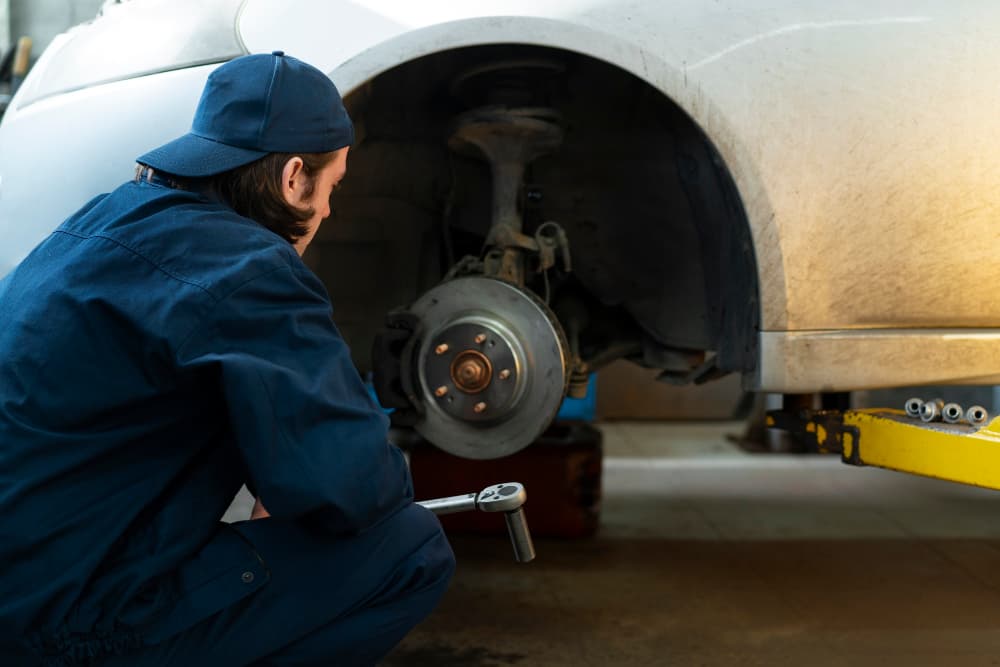
A vehicle’s braking system operates through a coordinated mechanism involving brake pads, rotors, hydraulic fluid, and pressure systems that convert pedal force into stopping power. When you press the brake pedal, hydraulic fluid transfers force to the brake calipers, which then clamp the pads against the rotors to slow the wheels. This system is designed for precision and reliability, but like all mechanical components, it depends on maintenance and proper functioning to perform safely.
When any part of this system fails, the stopping distance increases dramatically, and control becomes compromised. Loss of brake fluid, overheated pads, or damaged lines can reduce pressure within the system, making the pedal feel soft or ineffective. Understanding this process clarifies why regular inspections are essential and why sudden changes in pedal feel should never be ignored. Knowledge of the system empowers drivers to identify warning signs before a dangerous situation escalates.
Common Causes of Brake Failure
Brake failure can result from multiple mechanical or maintenance-related issues that develop over time. One of the most common causes is brake fluid leakage, which reduces hydraulic pressure and weakens stopping power. Worn brake pads, damaged rotors, and corroded brake lines also contribute to compromised performance. Overheating during steep downhill driving can cause brake fade, temporarily reducing effectiveness and increasing stopping distance significantly.
In some cases, neglecting routine maintenance accelerates wear and tear beyond safe limits. Contaminated brake fluid, improper installation of components, or ignoring dashboard warning lights can all lead to sudden failure. Environmental factors such as moisture exposure and road salt may also corrode brake components. By understanding these causes, drivers can appreciate the importance of preventive maintenance and recognize that early intervention reduces the likelihood of emergency roadside incidents.
Warning Signs Before Complete Failure
Brake systems rarely fail without providing subtle warning signs first. Drivers may notice unusual squealing, grinding noises, or vibration when pressing the pedal. A spongy pedal that sinks lower than usual can indicate air in the brake lines or fluid leakage. These symptoms should never be dismissed as minor inconveniences because they often signal underlying mechanical issues that require immediate inspection.
Another critical warning indicator is the illumination of the brake warning light on the dashboard. This alert may signal low brake fluid levels or system malfunction. Delayed response to these warnings increases the risk of total brake loss while driving. Paying close attention to early signs ensures that you address mechanical issues before they escalate into emergencies that demand urgent roadside assistance and create hazardous driving conditions.
Immediate Actions to Take During Brake Failure
If you experience brake failure while driving, remaining calm is your first and most important step. Gradually remove your foot from the accelerator and attempt to pump the brake pedal rapidly to rebuild hydraulic pressure. This technique may temporarily restore some braking ability if the issue is pressure-related. Simultaneously, turn on your hazard lights to alert other drivers and begin shifting to a lower gear to reduce speed naturally.
If pumping the brakes does not work, carefully engage the parking brake in a controlled manner to avoid skidding. Steer toward a safe area such as the shoulder of the road while maintaining control. Avoid sudden turns or abrupt movements that could destabilize the vehicle. These actions, combined with clear signaling, significantly reduce the risk of collision while you prepare to contact professional roadside support for assistance.
Importance of 24/7 Roadside Support
Brake failure rarely occurs at convenient times or locations. It may happen late at night, in heavy rain, or on unfamiliar highways far from home. This unpredictability highlights the importance of having access to reliable 24/7 roadside support services. Immediate assistance ensures that your vehicle is safely towed, inspected, or repaired without exposing you to prolonged roadside danger.
Professional roadside support teams are trained to manage emergencies efficiently, reducing stress and preventing secondary accidents. Instead of attempting risky temporary fixes, drivers can rely on experienced technicians equipped with the right tools. Knowing that help is available at any hour provides confidence and peace of mind, especially during long-distance travel or high-risk driving conditions.
24/7 Emergency Roadside Assistance Services
Access to comprehensive roadside assistance services transforms a frightening brake emergency into a manageable situation. These services are designed to respond quickly, assess vehicle conditions accurately, and transport drivers to safety. Rather than navigating uncertainty alone, motorists can depend on structured support systems that prioritize both personal safety and vehicle protection. Understanding what services are included helps drivers make informed decisions when choosing assistance providers.
Emergency roadside support typically extends beyond towing. It may include vehicle diagnostics, minor on-site repairs, battery assistance, tire support, and safe transportation coordination. This wide range of services ensures that no matter the severity of the brake failure, drivers receive professional help tailored to their situation. The following sections outline the essential components of effective 24/7 roadside assistance.
Rapid Response Dispatch
A rapid response system is the backbone of effective roadside assistance. When brake failure occurs, time is critical because prolonged roadside exposure increases risk. A well-organized dispatch team gathers your location details, assesses urgency, and deploys the nearest available service unit promptly. This coordinated approach reduces waiting time and enhances overall safety.
Fast dispatch also ensures that technicians arrive equipped with relevant tools and towing equipment based on your vehicle type. Whether you are driving a compact car, SUV, or commercial vehicle, tailored support improves efficiency. Quick arrival not only addresses the mechanical issue but also reassures drivers during stressful situations, reinforcing trust in professional emergency support services.
Safe Vehicle Towing Solutions
When brakes are completely unresponsive, towing becomes the safest option. Professional towing services ensure that your vehicle is transported without causing additional mechanical damage. Flatbed towing, for example, prevents wheel movement and eliminates strain on compromised brake components during transit.
Proper towing procedures also protect surrounding traffic and reduce accident risks. Trained operators secure the vehicle carefully, verify attachment stability, and follow regulated safety protocols. Choosing a reliable roadside service provider guarantees that your car reaches a repair facility safely, minimizing long-term damage and ensuring comprehensive mechanical inspection by qualified professionals.
On-Site Inspection and Assessment
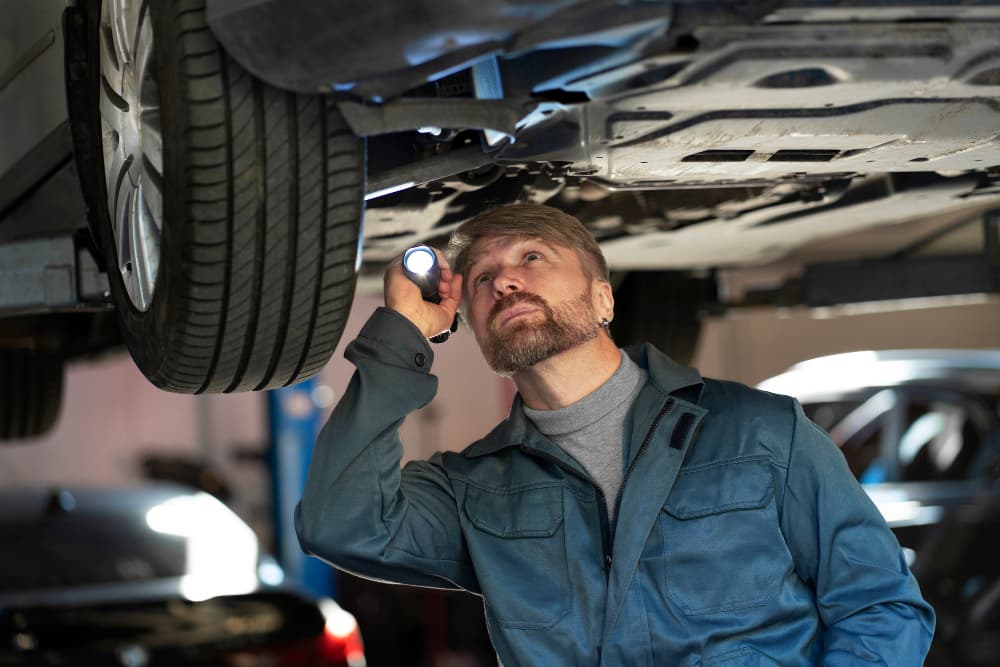
In certain cases, brake issues may not require immediate towing if technicians can diagnose minor problems on-site. Roadside professionals conduct thorough inspections to identify visible leaks, damaged lines, or overheated components. This immediate evaluation determines whether temporary stabilization is possible before transporting the vehicle.
Accurate on-site assessment prevents unnecessary delays and provides drivers with clear explanations of the problem. Technicians can advise whether further driving is safe or if immediate repair is essential. This transparency builds confidence and ensures informed decision-making during high-pressure roadside situations.
Driver Safety and Traffic Management
A brake emergency often leaves drivers stranded in vulnerable positions on busy roads. Roadside support teams prioritize traffic safety by placing warning cones, activating hazard signals, and positioning service vehicles strategically to shield stranded motorists. This protective setup significantly reduces the risk of secondary collisions.
Ensuring driver safety extends beyond vehicle repair. Assistance providers may help relocate passengers to safer areas, especially during nighttime or adverse weather conditions. This comprehensive safety approach demonstrates that roadside support services focus not only on mechanical resolution but also on protecting lives during unpredictable roadside emergencies.
Coordination with Repair Facilities
After towing or assessment, the next critical step involves coordinating with reputable repair facilities. Professional roadside assistance providers maintain networks of trusted automotive service centers to ensure quality repairs. This connection simplifies the process for drivers who may be unfamiliar with local mechanics.
Efficient coordination reduces downtime and accelerates repair scheduling. Drivers receive clear guidance on next steps, cost estimates, and repair timelines. By managing communication between drivers and repair facilities, roadside assistance services streamline the recovery process, allowing motorists to resume travel with minimal disruption.
Why Choose Crossroads Helpline for Brake Emergencies
Selecting a reliable roadside assistance provider can significantly influence the outcome of a brake emergency. Crossroads Helpline is dedicated to delivering fast, professional, and dependable roadside support tailored to urgent situations. Their 24/7 availability ensures that drivers receive assistance whenever mechanical issues arise, regardless of time or location. This reliability transforms uncertainty into structured, immediate action.
Crossroads Helpline combines rapid response systems with experienced technicians who prioritize both safety and efficiency. Whether you require towing, on-site assessment, or coordination with repair facilities, their team manages the process with professionalism and care. By choosing Crossroads Helpline, drivers gain access to consistent support designed to minimize stress and restore mobility quickly and securely.
Conclusion
Brake emergencies demand quick thinking, informed action, and dependable support systems. Understanding how braking systems function, recognizing warning signs, and knowing the correct immediate steps to take can dramatically improve safety outcomes. Preparation reduces panic, while professional roadside assistance ensures that mechanical failures do not escalate into catastrophic incidents. Reliable 24/7 support provides drivers with the confidence to travel knowing help is always accessible when needed most.
Choosing a trusted roadside partner like Crossroads Helpline ensures that brake-related emergencies are handled with precision and urgency. From rapid dispatch to secure towing and professional coordination with repair facilities, comprehensive assistance makes all the difference during critical roadside events. Stay prepared, prioritize regular vehicle maintenance, and remember that dependable support is just one call away whenever unexpected brake failure threatens your journey.