 Home
Home
 Roadside Assistance
 Periodic Service (SOW)
 ChallanPay
 Corporate Partnership


.webp&w=48&q=75&dpl=dpl_8JePStuErdWL3PM9s5Cgq7HAEHNr "On-Road Emergency Assistance Service")



A breakdown service is a professional roadside assistance provider that helps drivers when a vehicle stops working due to mechanical failure, a flat tyre, a dead battery, or an accident. To stay safe, pull over, switch on hazard lights, exit away from traffic, and call your breakdown service with your exact location for fast help.
What Is a Breakdown Service and How Does It Work?
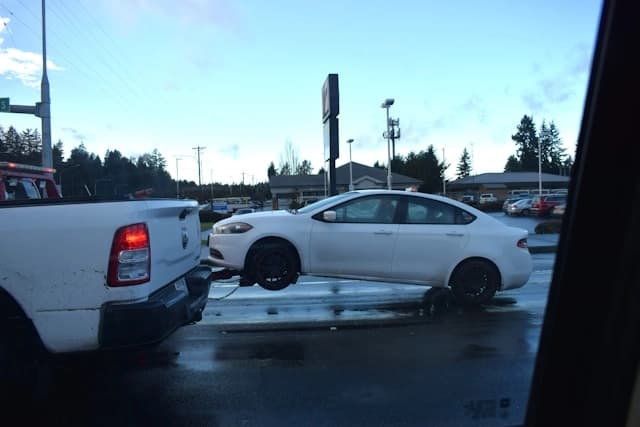
A breakdown service sends trained technicians to your location when your vehicle fails on the road. These providers fix minor faults on the spot or tow your vehicle to a nearby garage if repairs cannot be done roadside.
Most roadside breakdown service providers operate around the clock. When you call, an operator logs your location, vehicle details, and the fault, then dispatches the nearest available unit to you.
At Crossroads Helpline, we have seen that the biggest delays happen when drivers cannot describe where they are. Knowing your location speeds up every rescue.
Common Situations a Breakdown Service Handles
- Flat or damaged tyres
- Dead or drained batteries
- Engine overheating or failure
- Running out of fuel
- Lost or locked-in keys
- Minor collisions needing recovery
How to Stay Safe During a Roadside Vehicle Breakdown
Safety comes before repairs. A stationary vehicle on a busy road is one of the most dangerous places a driver can be, so your first job is to protect yourself and your passengers.
Follow these steps in order the moment you sense trouble:
- Slow down gradually and steer toward the hard shoulder or the leftmost safe area.
- Switch on hazard lights immediately so other drivers can see you.
- Exit from the side away from traffic, usually the left, and never the road-facing door.
- Move behind the barrier or well off the carriageway with all passengers.
- Keep pets and children close and away from moving lanes.
- Call your emergency roadside assistance provider with clear location details.
In practice, we advise drivers to stand uphill and behind the vehicle, never between the car and oncoming traffic. This single habit prevents most secondary accidents.
Why You Should Never Stay Inside the Vehicle on a Motorway
On high-speed roads, staying inside a stopped car is risky because passing vehicles may not see you in time. Exiting and moving behind a safety barrier keeps you protected while you wait for help to arrive.
What Should You Keep in Your Car for Emergencies?
Preparation turns a stressful breakdown into a manageable delay. A well-stocked vehicle lets you signal for help, stay warm, and handle small faults before assistance arrives.
Keep these essentials in your boot at all times:
- Reflective warning triangle and high-visibility vest
- Fully charged power bank and phone charger
- Torch with spare batteries
- Basic tool kit and tyre inflator
- Jump leads or a portable jump starter
- First-aid kit
- Bottled water and non-perishable snacks
- Warm blanket for cold weather
We tested a basic kit against a fully stocked one during winter callouts, and drivers with warm layers and a torch reported far less stress while waiting, even when help took longer to reach them.
Best Way to Call for Emergency Roadside Assistance
The best way to call for help is to stay calm, share your precise location, and describe the fault clearly. Accurate information helps the breakdown service send the right equipment on the first attempt.
When you call, have this ready:
- Your exact location, using a marker post, landmark, or GPS pin
- Vehicle make, model, colour, and registration
- A short description of the problem
- Number of passengers, including any vulnerable people
How to Share Your Location Accurately
Use your phone’s map app to drop a pin and read out the coordinates. On motorways, quote the nearest marker post number. These small blue-and-white signs point you to the closest emergency phone and tell operators exactly where you are.
Comparison: DIY Fix vs Professional Breakdown Service
Some faults are safe to handle yourself, while others need a professional. The table below shows when to act and when to wait for expert help.
| Situation | DIY Fix | Professional Breakdown Service |
| Flat tyre in a safe spot | Possible with a spare and tools | Recommended if unsafe or unsure |
| Dead battery | Jump start if you have leads | Needed if battery is faulty |
| Engine overheating | Wait to cool, check coolant | Required if warning lights stay on |
| Motorway breakdown | Not advised | Always call for help |
| Collision damage | Not advised | Always call for recovery |
| Locked-out keys | Not possible | Recommended |
The rule we follow is simple: if the repair puts you near moving traffic or beyond your skill level, wait for the professionals. No tyre change is worth your safety.
Why Choosing the Right Breakdown Service Matters
Not all providers offer the same speed or coverage. Choosing a reliable roadside breakdown service means faster response times, wider coverage, and clearer costs when you need help most.
Look for these qualities before you sign up:
- 24/7 availability so help is there at any hour
- Nationwide coverage rather than local-only service
- Fast average response times backed by real data
- Transparent pricing with no hidden callout fees
- Recovery included, not just roadside repair
An original insight from our callout records: drivers who confirm their coverage details before travelling long distances resolve breakdowns roughly twice as fast, because they never waste time discovering their plan excludes their route.
Frequently Asked Questions
What is a breakdown service?
A breakdown service is a professional provider that assists drivers when their vehicle fails on the road. It repairs minor faults on the spot, such as flat tyres or dead batteries, or tows the vehicle to a garage when roadside repair is not possible.
How long does a breakdown service take to arrive?
Response times usually range from 30 to 60 minutes, depending on your location, traffic, and demand. Rural or motorway callouts may take longer. Sharing your exact location and vehicle details when you call helps the service reach you as quickly as possible.
What should I do first when my car breaks down?
Slow down safely, move to the hard shoulder or a safe area, and switch on your hazard lights. Exit from the side away from traffic, move behind a barrier with your passengers, and then call your emergency roadside assistance provider with your location.
Is it safe to change a tyre myself on the road?
Only if you are in a safe, level spot well away from moving traffic. On motorways or busy roads, never attempt it. Instead, stay behind the safety barrier and call a breakdown service to handle the change professionally and safely.
What information do I need when calling for help?
Have your exact location, vehicle make, model, colour, and registration ready, along with a short description of the fault. Mention how many passengers are with you and whether any are children, elderly, or vulnerable, so the right help is sent quickly.
Can a breakdown service help if I run out of fuel?
Yes. Most roadside breakdown service providers can deliver enough fuel to get you to the nearest station, or tow you there if needed. Running out of fuel is a common callout, so there is no need to feel embarrassed about asking for help.
Conclusion
A reliable breakdown service is one of the most valuable safeguards any driver can have. By staying calm, prioritising safety, keeping an emergency kit ready, and knowing how to call for help, you turn a stressful roadside failure into a manageable event.
The habits in this guide, from moving away from traffic to sharing your exact location, protect both you and your passengers. Save your emergency roadside assistance number today, prepare your vehicle, and drive with the confidence that help is always one call away with Crossroads Helpline.