 Home
Home
 Roadside Assistance
 Periodic Service (SOW)
 Corporate Partnership


.webp&w=48&q=75&dpl=dpl_EsF4UhNapCQ5AcrJXqaCryhRHUpZ "On-Road Emergency Assistance Service")



Transmission systems in vehicles are critical for managing the power generated by the engine and delivering it to the wheels efficiently. A properly functioning transmission ensures smooth gear shifts and optimal vehicle performance. However, when problems arise, one common issue drivers encounter is hard shifting. Hard shifting refers to the difficulty or roughness experienced when changing gears, which can be an indication of underlying mechanical or fluid-related issues within the transmission system. Understanding the causes of hard shifting is essential for diagnosing and addressing the problem effectively. Experiencing hard shifts in your transmission? Contact Crossroads Helpline today for expert diagnosis and doorstep repair solutions!
Fluid-Related Issues

One of the primary causes of hard shifting in transmissions is related to the transmission fluid. Transmission fluid plays a crucial role in lubricating the moving parts within the transmission, cooling the system, and providing the hydraulic pressure necessary for smooth gear changes. When the transmission fluid is old, contaminated, or at an incorrect level, it can lead to hard shifting.
Old or contaminated fluid loses its effectiveness in lubricating and protecting the transmission components. Debris, dirt, and metal shavings can accumulate in the fluid, causing increased friction and wear on the gears and other moving parts. This results in rough and difficult gear shifts. Additionally, low transmission fluid levels can cause insufficient hydraulic pressure, making it harder for the transmission to engage and disengage gears smoothly. Regular maintenance, including fluid changes and checks, is crucial to prevent these fluid-related issues.
Worn or Damaged Clutch Components
In manual transmissions, the clutch system plays a vital role in facilitating smooth gear changes. The clutch engages and disengages the engine from the transmission, allowing the driver to change gears. Over time, clutch components such as the clutch disc, pressure plate, and release bearing can wear out or become damaged. When this happens, it can lead to hard shifting.
A worn clutch disc may not engage or disengage fully, causing grinding or difficulty when shifting gears. A damaged pressure plate can result in uneven pressure distribution, making it hard to disengage the clutch smoothly. The release bearing, if worn or damaged, can cause noise and rough gear engagement. Replacing worn or damaged clutch components is necessary to restore smooth shifting in manual transmissions.
Faulty or Malfunctioning Transmission Control Module (TCM)
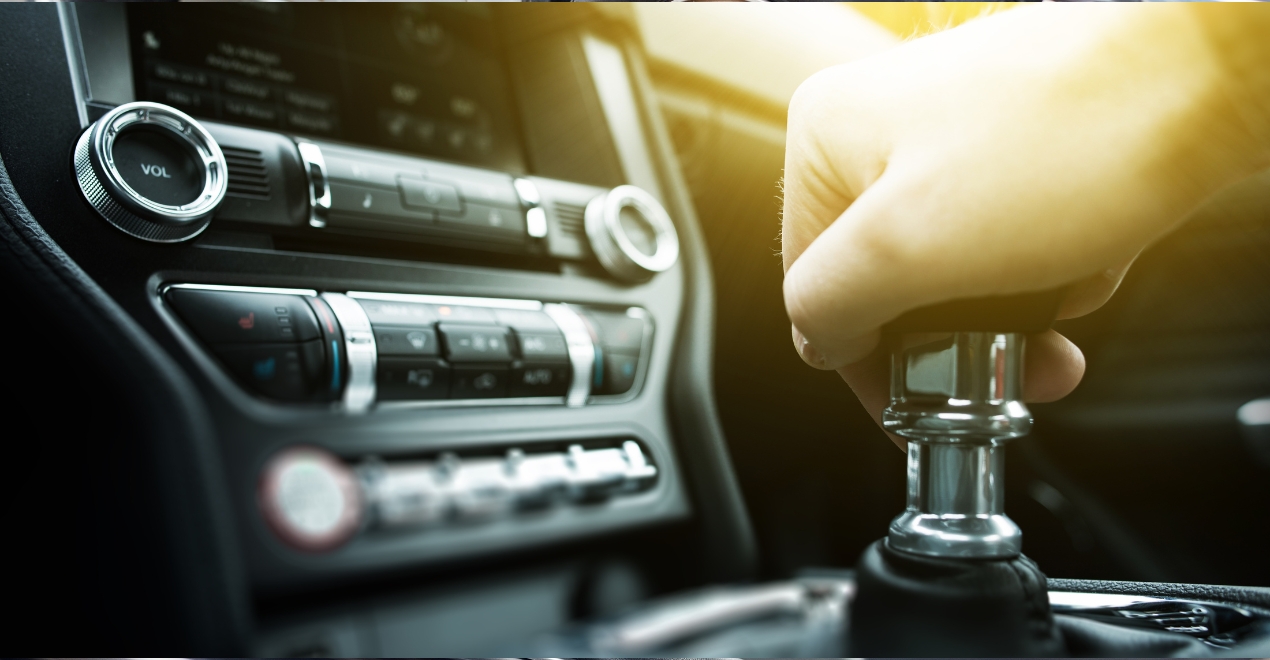
Modern automatic transmissions rely heavily on electronic control modules to manage gear shifts. The Transmission Control Module (TCM) monitors various sensors and inputs to determine the optimal timing and pressure for gear changes. When the TCM malfunctions or develops faults, it can lead to hard shifting.
A faulty TCM may send incorrect signals to the transmission, causing abrupt or delayed gear shifts. This can be due to software glitches, electrical issues, or sensor malfunctions. Diagnosing and repairing TCM-related problems often require specialized equipment and expertise. In some cases, reprogramming or replacing the TCM may be necessary to restore smooth transmission operation.
Mechanical Wear and Tear
Transmission systems are subject to significant mechanical stresses over time. Components such as gears, bearings, and synchronizers can wear out due to continuous use and friction. This mechanical wear and tear can lead to hard shifting in both manual and automatic transmissions.
Worn gears may not mesh properly, causing difficulty in engaging or disengaging gears. Damaged bearings can result in increased friction and noise during gear shifts. Synchronizers, which help match the speed of gears during shifts, can become worn, leading to grinding or difficulty in shifting. Regular inspection and maintenance of transmission components can help identify and address mechanical wear before it causes significant shifting problems.
Issues with the Transmission Linkage
The transmission linkage is responsible for connecting the gear shifter to the transmission. In both manual and automatic transmissions, issues with the linkage can result in hard shifting. The linkage may become misaligned, worn, or damaged over time, affecting the smooth operation of the transmission.
Misaligned linkage can cause difficulty in selecting gears or result in gears not fully engaging. Worn or damaged linkage components can create excess play or resistance, making gear shifts rough and hard. Adjusting or replacing the transmission linkage can often resolve these issues and restore smooth shifting.
Problems with the Transmission Solenoids

Automatic transmissions use solenoids to control the flow of transmission fluid and manage gear shifts. These solenoids are electronically controlled and play a crucial role in ensuring smooth gear changes. When transmission solenoids malfunction, it can lead to hard shifting.
A faulty solenoid may fail to regulate the hydraulic pressure correctly, causing abrupt or delayed gear shifts. Electrical issues, such as damaged wiring or connectors, can also affect solenoid performance. Diagnosing and repairing solenoid-related problems may require specialized equipment and knowledge. Replacing faulty solenoids is often necessary to restore proper transmission function.
Hydraulic System Issues
The hydraulic system in automatic transmissions is responsible for generating the pressure needed to engage and disengage gears. Problems within the hydraulic system can lead to hard shifting. Common hydraulic issues include leaks, blockages, and worn components.
Leaks in the hydraulic system can cause a loss of pressure, making it difficult for the transmission to shift gears smoothly. Blockages in the hydraulic passages can restrict the flow of fluid, resulting in rough and delayed shifts. Worn hydraulic components, such as seals and gaskets, can also lead to pressure loss and shifting problems. Addressing hydraulic system issues often involves identifying and repairing leaks, cleaning passages, and replacing worn components.
Overheating and Thermal Degradation
Transmission systems generate heat during operation, and excessive heat can lead to hard shifting. Overheating can cause the transmission fluid to break down, reducing its effectiveness in lubricating and cooling the transmission components. Thermal degradation of the fluid can result in increased friction and wear, leading to rough gear shifts.
Additionally, overheating can cause thermal expansion of transmission components, affecting their fit and function. This can result in misalignment and increased resistance during gear changes. Proper cooling system maintenance, including checking and replacing the transmission fluid, can help prevent overheating and its associated shifting problems.
Electrical Issues
Modern vehicles rely heavily on electronic systems to manage transmission operation. Electrical issues, such as faulty sensors, damaged wiring, or poor connections, can interfere with the proper functioning of the transmission. These electrical problems can lead to hard shifting by disrupting the communication between the transmission control module and other components.
Faulty sensors may send incorrect signals to the TCM, causing improper gear changes. Damaged wiring or poor connections can result in intermittent or no communication, affecting the transmission’s ability to shift smoothly. Diagnosing and repairing electrical issues often require specialized diagnostic tools and expertise. Ensuring the integrity of the electrical system is crucial for maintaining smooth transmission operation.
Conclusion
Hard shifting in transmissions can be caused by a variety of factors, ranging from fluid-related issues and worn clutch components to electronic malfunctions and mechanical wear. Proper diagnosis and timely maintenance are essential for addressing these problems and restoring smooth gear shifts. Regularly checking and replacing transmission fluid, inspecting and replacing worn components, and addressing electrical and hydraulic issues can help prevent hard shifting and ensure optimal transmission performance. By understanding the causes of hard shifting, vehicle owners can take proactive measures to maintain their transmissions and enjoy a smoother driving experience.