 Home
Home
 Roadside Assistance
 Periodic Service (SOW)
 Corporate Partnership


.webp&w=48&q=75&dpl=dpl_8RapWvh1zVezpBPK66yKqsf6U6Sx "On-Road Emergency Assistance Service")



If you’ve ever been driving smoothly and suddenly found your clutch not working, you know how alarming that moment can be. One second, everything feels normal; the next, your gears refuse to shift, or your clutch pedal feels oddly soft or stiff. It’s a frustrating situation that can happen to anyone, especially those who spend long hours on the road. Whether you drive a manual transmission car for daily commuting or long-distance trips, clutch failure can throw your plans off track and leave you stranded unexpectedly.
Understanding why a clutch stops working is crucial for preventing sudden breakdowns and ensuring your vehicle stays reliable. In this blog, we’ll cover everything you need to know about the possible reasons behind clutch failure, signs to watch for, and maintenance tips to prevent it from happening. If your clutch is already showing signs of trouble, Crossroads Helpline offers 24/7 roadside assistance and mechanical support across India helping you get back on the road safely and quickly.Contact Crossroads Helpline today for expert vehicle care and emergency assistance.
Things to Know Before Understanding Why a Clutch Stops Working
Before diving into the exact reasons your clutch might fail, it’s essential to understand how it functions and what external factors affect its performance. A clutch is not a single part but a system that connects and disconnects the engine from the transmission, allowing your car to change gears smoothly. The health of this system depends on several mechanical and operational factors, from driving habits to regular maintenance.
Let’s explore the key aspects you should know before identifying why your clutch stopped working.
How the Clutch System Works
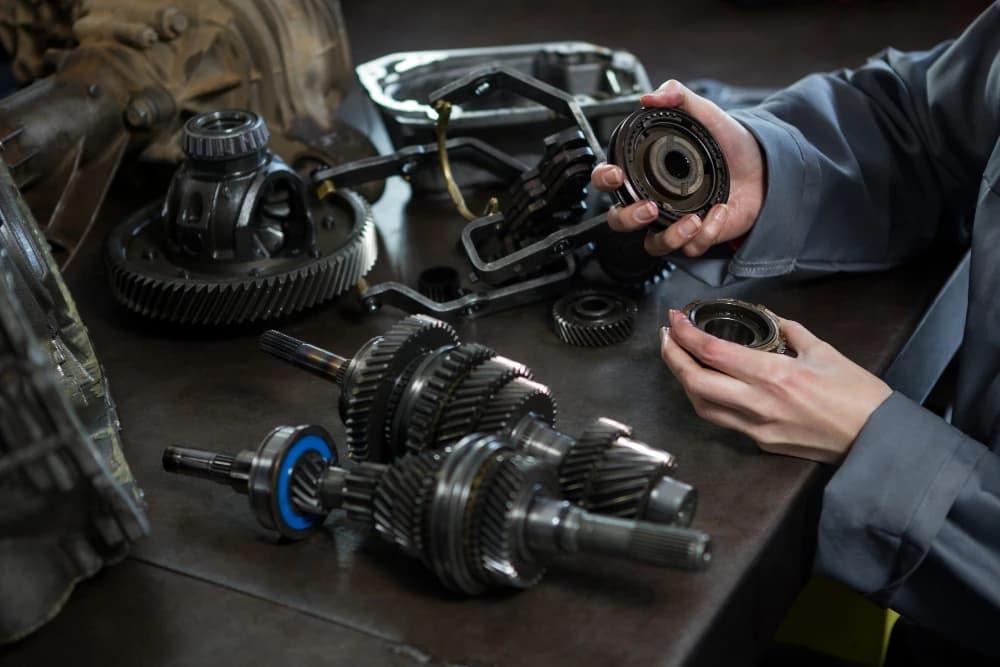
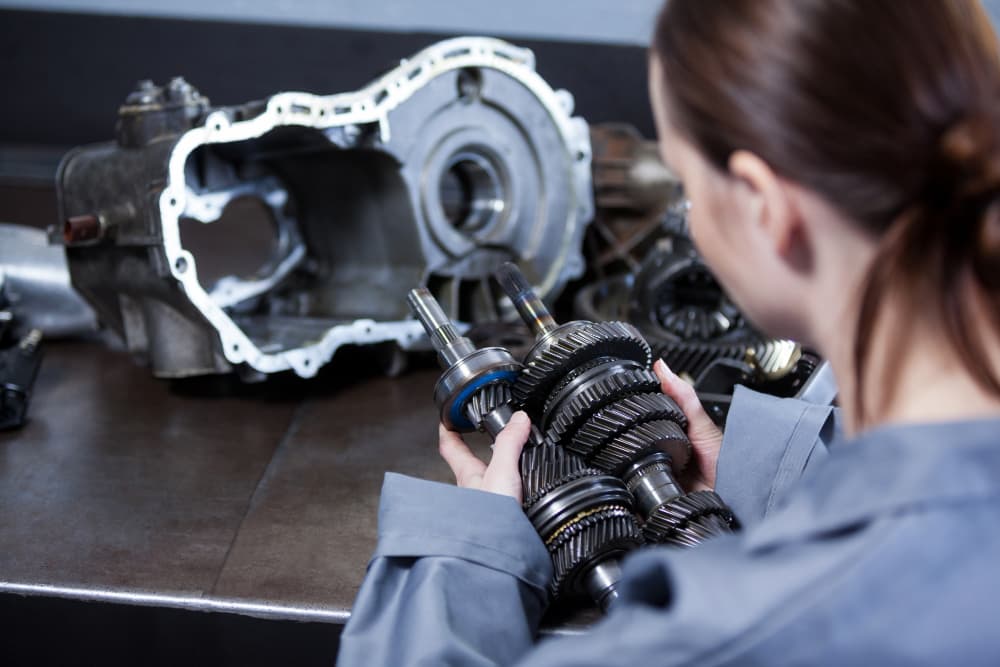
A car’s clutch system involves a combination of mechanical and hydraulic components that work together to control power transmission. The clutch pedal, pressure plate, clutch disc, flywheel, and release bearing each play an important role in this process. When you press the clutch pedal, it disengages the clutch plate, allowing the gears to shift smoothly without damaging the transmission. Any failure in these parts can disrupt the process, leading to a clutch not working issue.
However, the system’s efficiency largely depends on proper maintenance and timely replacements. Wear and tear are natural, but neglecting early warning signs like clutch slippage or a spongy pedal can lead to sudden failure. By understanding each part’s role, drivers can make more informed maintenance decisions and avoid costly repairs.
Importance of Regular Clutch Maintenance
Just like engine oil or brake pads, the clutch requires periodic inspection. The clutch plate and related hydraulic components deteriorate over time due to friction and pressure. Regular servicing helps ensure that minor wear doesn’t lead to complete system failure. Ignoring this can cause your clutch pedal to fail suddenly, especially in older vehicles.
It’s advisable to have your clutch checked every 20,000 to 40,000 kilometers, depending on your driving conditions. For city drivers who face heavy traffic, clutch wear happens faster due to constant shifting. Scheduling a maintenance check with Crossroads Helpline’s car repair services can save you from being stranded with a non-functional clutch.
Common Driving Habits That Damage the Clutch
Your driving style has a direct impact on clutch life. Resting your foot on the clutch pedal, riding the clutch during traffic jams, or shifting gears aggressively all contribute to premature wear. Over time, these habits cause the clutch disc to overheat and weaken, leading to inefficient gear shifting or failure.
To extend clutch life, practice smooth gear transitions and avoid unnecessary pressure on the pedal. Drivers who understand clutch-friendly techniques enjoy longer component lifespan and fewer breakdowns. Small changes in driving habits can prevent the hassle of having a clutch not engaging situation in the middle of your journey.
How Temperature and Road Conditions Affect Clutch Performance
Environmental factors play a crucial role in how your clutch performs. High temperatures can cause the clutch fluid to thin, leading to inconsistent pressure and reduced efficiency. Similarly, driving in hilly areas or rough terrain demands more frequent gear changes, putting extra stress on the clutch system.
For vehicles that often travel in extreme climates, regular inspection of clutch fluid and pressure systems becomes even more essential. By keeping an eye on environmental influences, you can better predict clutch behavior and ensure your car remains reliable under all driving conditions.
Recognizing Early Symptoms of Clutch Trouble
Identifying clutch issues early is the best way to prevent complete failure. Common signs include grinding noises when shifting, a burning smell, a loose or hard clutch pedal, and difficulty engaging gears. If you experience any of these, it’s a red flag that your clutch system is under stress.
When these symptoms arise, seeking help from a professional mechanic immediately can save time and money. Crossroads Helpline offers expert diagnostic and repair services that address clutch and transmission issues effectively, ensuring you’re not left guessing the root cause.
Common Reasons Why a Clutch Stops Working
Clutch failure doesn’t happen overnight. It usually results from cumulative wear, improper usage, or neglected maintenance. Below are the most frequent causes of clutch malfunction that drivers should be aware of.
1. Worn Out Clutch Plate
The clutch plate endures constant friction every time you shift gears. Over time, this friction causes it to wear down, reducing its ability to engage and disengage properly. Once worn, you’ll notice slipping, jerky gear changes, or a burning smell.
Replacing a worn clutch plate promptly is essential to avoid transmission damage. Always use quality replacement parts and seek assistance from trusted professionals like those at Crossroads Helpline, who ensure your car regains its optimal performance.
2. Faulty Pressure Plate
The pressure plate is responsible for maintaining contact between the clutch disc and flywheel. When it becomes weak or damaged, the clutch won’t engage or disengage properly. This can result in the clutch not working and difficulty changing gears.
A damaged pressure plate often stems from excessive heat or poor driving habits. Regular inspections can help identify pressure plate fatigue early, preventing unexpected breakdowns on the road.
3. Air in the Hydraulic Line
Hydraulic clutch systems rely on fluid pressure for smooth operation. When air bubbles enter the hydraulic line, it disrupts pressure flow, leading to a soft or spongy clutch pedal. This often feels like the clutch isn’t responding correctly.
Bleeding the clutch system removes trapped air, restoring normal pressure and function. Always ensure your vehicle’s hydraulic system is free of leaks and topped with high-quality clutch fluid for consistent performance.
4. Broken Clutch Cable
In some vehicles, a mechanical cable connects the clutch pedal to the clutch system. If this cable snaps or stretches, the clutch pedal becomes unresponsive. You might press the pedal but feel no resistance a clear sign of failure.
Replacing the clutch cable is usually straightforward but should be done by an expert to ensure proper tension and alignment. A poorly installed cable can lead to repetitive failure, costing you more in the long run.
5. Contaminated Clutch Fluid
Clutch fluid contamination often occurs when moisture or debris enters the system, reducing its hydraulic efficiency. This contamination makes gear shifts rough and can lead to the clutch not disengaging properly.
Regularly replacing clutch fluid, ideally every two years, prevents corrosion and maintains pressure consistency. Always check the manufacturer’s recommendations for the correct type of fluid to use for your specific car model.
How to Prevent Sudden Clutch Failure
Preventing a clutch not working issue is easier than repairing one. Routine maintenance and mindful driving go a long way in preserving clutch performance.
Follow a Strict Maintenance Schedule
Every car manufacturer recommends a maintenance timeline for clutch inspection and replacement. Sticking to this schedule ensures early detection of issues like plate wear or hydraulic leakage.
By scheduling clutch inspections through Crossroads Helpline maintenance plans, you can ensure every component is checked by certified professionals who specialize in clutch systems.
Adopt Clutch-Safe Driving Techniques
Avoid half-pressing the clutch pedal, especially during long traffic waits. Fully engage or disengage the clutch instead. Smooth gear changes reduce stress on clutch components, extending their lifespan.
Defensive driving also helps. Maintaining steady speeds, avoiding unnecessary braking, and planning gear shifts properly reduce clutch strain and help avoid premature failure.
Why Choose Crossroads Helpline for Clutch and Breakdown Assistance
When your clutch fails unexpectedly, you need quick and reliable roadside help. Crossroads Helpline provides 24/7 breakdown assistance, towing, and on-spot repairs across major Indian cities. Their trained technicians specialize in diagnosing clutch and transmission problems swiftly, ensuring you’re back on the road with minimal delay.
With over two decades of experience, Crossroads offers more than just towing they deliver peace of mind. From minor repairs to full clutch replacements, their team ensures transparency, fair pricing, and genuine parts. Whether it’s a clutch not working, a flat tire, or an engine stall, Crossroads Helpline is just a call away.
Conclusion
A clutch that stops working suddenly can feel overwhelming, but with the right knowledge and preventive care, you can minimize such incidents. By recognizing early warning signs, maintaining your vehicle regularly, and practicing clutch-friendly driving, you’ll ensure a smoother, safer driving experience.
If you ever face clutch failure on the road, don’t panic Crossroads Helpline is always ready to assist with expert roadside and repair services. Visit crossroadshelpline today to explore membership options, get emergency support, or book a professional clutch inspection. Your car deserves the best care, and Crossroads Helpline ensures it gets exactly that.