
 Home
Home
 Roadside Assistance
 Periodic Service (SOW)
 Corporate Partnership


.webp&w=48&q=75&dpl=dpl_EsF4UhNapCQ5AcrJXqaCryhRHUpZ "On-Road Emergency Assistance Service")



Maintaining an engine’s health is crucial for the longevity and efficiency of a vehicle. One common question that car owners and mechanics often grapple with is whether it’s bad to put oil in a hot engine. This question arises from the necessity of regular oil changes and top-ups, which are essential for keeping an engine running smoothly. This article aims to delve into the intricacies of engine oil management, exploring whether adding oil to a hot engine is detrimental, and providing detailed guidance on best practices for engine maintenance. Facing an oil-related emergency? Contact Crossroads Helpline for expert advice and assistance.
Understanding Engine Oil and Its Role

Engine oil plays a vital role in the functioning of a vehicle’s engine. Its primary functions include lubrication, cooling, cleaning, and sealing. Lubrication reduces friction between moving parts, preventing wear and tear. Cooling helps dissipate heat generated by the engine, thereby preventing overheating. Cleaning removes contaminants and sludge, keeping the engine components clean. Sealing ensures that the pistons and cylinder walls maintain a tight seal, improving engine efficiency and performance.
The effectiveness of engine oil depends on its viscosity and the presence of various additives designed to enhance performance. Viscosity, a measure of the oil’s resistance to flow, is temperature-dependent. At high temperatures, oil can become too thin, while at low temperatures, it can become too thick. Therefore, maintaining the appropriate oil viscosity is critical for optimal engine performance.
The Impact of Temperature on Engine Oil
Temperature has a significant impact on engine oil and, consequently, on the engine’s performance. When an engine runs, it generates a substantial amount of heat. As the engine heats up, so does the oil, which can lead to changes in its viscosity. If the oil becomes too thin due to high temperatures, it may not provide adequate lubrication, leading to increased friction and potential engine damage.
Conversely, putting oil in a hot engine can cause thermal shock. Thermal shock occurs when a sudden temperature change causes materials to expand or contract rapidly. In the context of an engine, this can lead to cracks or other damage to the engine components. Therefore, understanding the relationship between temperature and engine oil is crucial for making informed decisions about oil changes and top-ups.
Risks of Put Oil in a Hot Engine
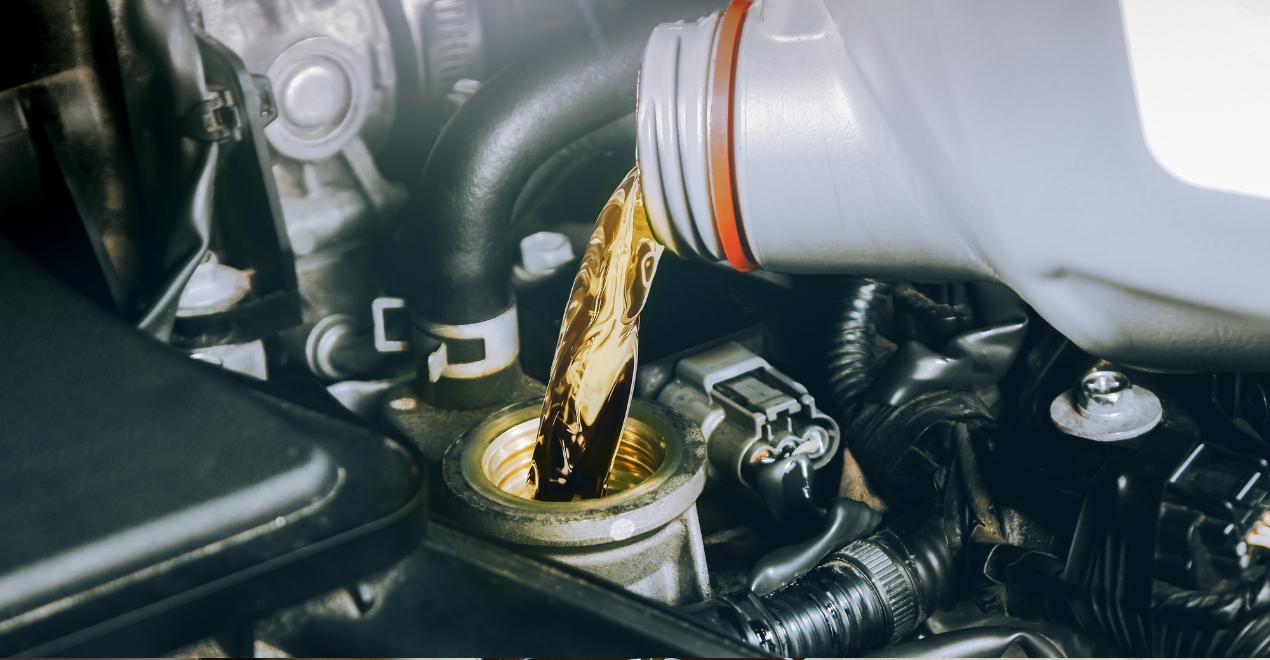
Put oil in a hot engine can pose several risks, which may affect the engine’s performance and longevity. One of the primary concerns is the potential for thermal shock. As mentioned earlier, thermal shock can occur when cold oil is introduced into a hot engine, causing a sudden temperature change that can damage engine components.
Another risk is the improper mixing of oils. If the new oil is significantly different in viscosity or composition from the existing oil, it may not mix well, leading to uneven lubrication. This can cause certain engine parts to receive insufficient lubrication, increasing the risk of wear and tear.
Furthermore, put oil in a hot engine can be hazardous to the person performing the task. The high temperature of the engine can cause burns or other injuries if proper precautions are not taken. Therefore, it is essential to understand and mitigate these risks to ensure safe and effective engine maintenance.
Best Practices for Adding Oil to an Engine
To avoid the risks associated with put oil in a hot engine, it is important to follow best practices for engine oil maintenance. Here are some key guidelines:
- Wait for the Engine to Cool: Ideally, you should wait for the engine to cool down before adding oil. This allows the oil to mix properly and minimizes the risk of thermal shock.
- Check Oil Level Regularly: Regularly checking the oil level can help you avoid the need to put oil in a hot engine. Make it a habit to check the oil level before starting the engine or after it has been turned off for a while.
- Use the Correct Oil: Always use the type of oil recommended by the vehicle manufacturer. Using the wrong oil can lead to improper lubrication and potential engine damage.
- Follow Manufacturer’s Recommendations: Adhere to the oil change intervals and maintenance guidelines provided by the vehicle manufacturer. Regular oil changes are crucial for maintaining engine health.
- Exercise Caution: If you must put oil in a hot engine, exercise caution. Use a funnel to minimize spills, and avoid contact with hot engine components to prevent burns.
The Importance of Regular Oil Changes
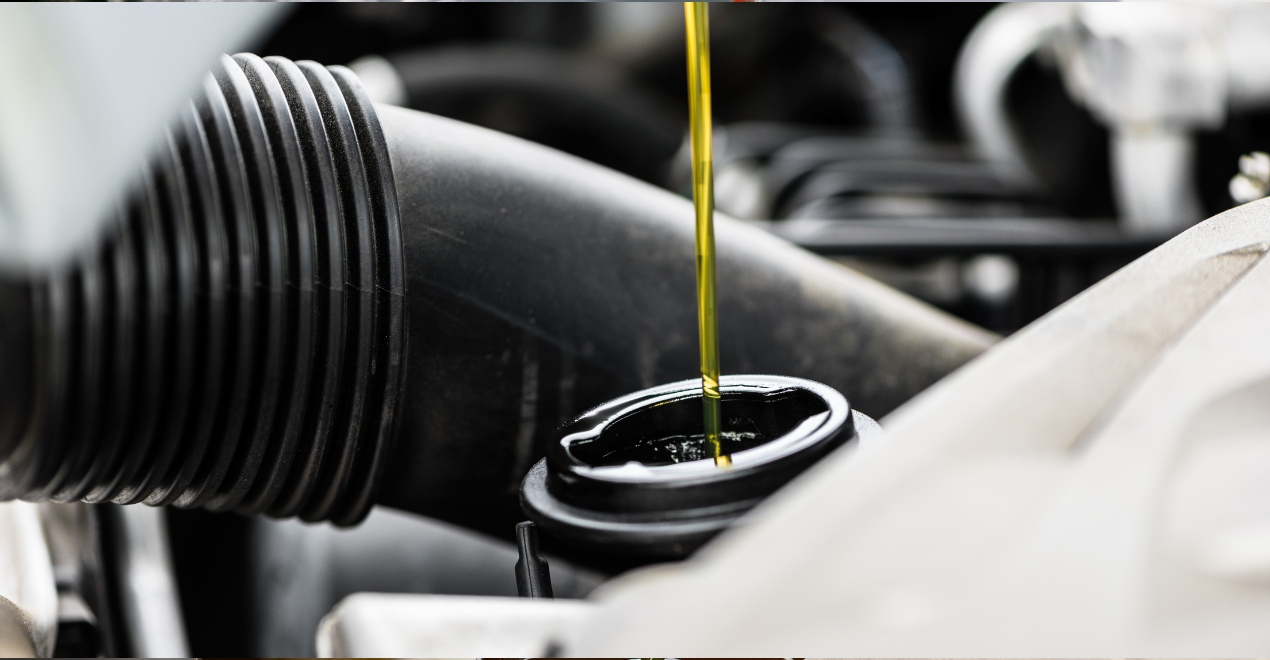
Regular oil changes are essential for maintaining engine health and performance. Over time, engine oil degrades and becomes contaminated with dirt, debris, and combustion byproducts. This can reduce the oil’s effectiveness in lubricating and protecting the engine.
Regular oil changes help remove old, contaminated oil and replace it with fresh oil, ensuring that the engine continues to run smoothly. They also provide an opportunity to check for potential issues, such as leaks or abnormal wear, allowing for timely maintenance and repairs.
In addition to following the recommended oil change intervals, consider factors such as driving conditions, climate, and the age of the vehicle. For instance, frequent short trips or driving in extreme temperatures may necessitate more frequent oil changes.
Choosing the Right Engine Oil
Choosing the right engine oil is crucial for optimal engine performance. There are several factors to consider when selecting engine oil, including viscosity, oil type, and additives.
Viscosity is one of the most important factors. The viscosity rating, often indicated by numbers such as 5W-30 or 10W-40, represents the oil’s resistance to flow at different temperatures. It is important to choose an oil with the viscosity recommended by the vehicle manufacturer.
Oil type is another consideration. There are several types of engine oil, including conventional, synthetic, and synthetic blend. Conventional oil is derived from crude oil and provides adequate protection for most engines. Synthetic oil is chemically engineered to provide superior performance and protection, especially in extreme temperatures. Synthetic blend oil combines the benefits of both conventional and synthetic oils.
Additives are chemicals added to engine oil to enhance its performance. Common additives include detergents, dispersants, antioxidants, and anti-wear agents. These additives help keep the engine clean, prevent sludge formation, reduce oxidation, and protect against wear and tear.
Conclusion
In conclusion, put oil in a hot engine can be problematic due to the risks of thermal shock, improper mixing, and potential hazards to the person performing the task. To ensure the health and longevity of an engine, it is best to wait for the engine to cool before adding oil, regularly check oil levels, use the correct type of oil, follow manufacturer recommendations, and exercise caution when handling hot engine components.
Regular oil changes and choosing the right engine oil are also critical for maintaining engine performance. By adhering to these best practices and understanding the impact of temperature on engine oil, vehicle owners can make informed decisions that contribute to the long-term health and efficiency of their engines.


