 Home

 Roadside Assistance
 Periodic Service (SOW)
 ChallanPay
 Corporate Partnership



The winter may pose some unforeseen difficulties to motorists, particularly in northern India and other regions where the temperature goes down considerably. Mornings when it is cold, roads are foggy, and the way is long may influence the performance of the vehicle and its safety during driving. Before winter comes, it is a good idea to prepare your car and minimize delays and deal with unforeseen issues.
Awareness of typical winter challenges and the times when one needs assistance can make any trip happier. When your car has some problem outside your home, an appropriate car roadside assistance plan can assist you as well.
These are the five typical winter automobile issues every Indian driver must be ready to face.
1. Weak or Dead Car Battery
Low temperatures may impair the power delivery of a battery. Aging batteries will have the problem of putting on the engine, especially on cold mornings. When your car starts slowly, the dashboard lights seem weak or the engine fails to start, then it is possible that you have to pay attention to the battery.
Get your battery tested prior to winter and inspect its terminals on whether they are corroded. When the engine is off, do not leave lights or accessories turned on.
Should the battery malfunction on a trip, a professional jump-start can be of assistance. A car breakdown service is able to provide battery support in case of a breakdown under the chosen plan. When the battery continuously fails then it should be checked or replaced rather than relying on constant jump-starts.
2. Tyre Pressure Changes
When the temperatures are low, the tyre pressure can be reduced. The handling, braking and tyre wear could be influenced by driving with underinflated tires. Check pressure Tyres are cold, and maintain pressure per recommended amounts as indicated in your vehicle manual or door placard.
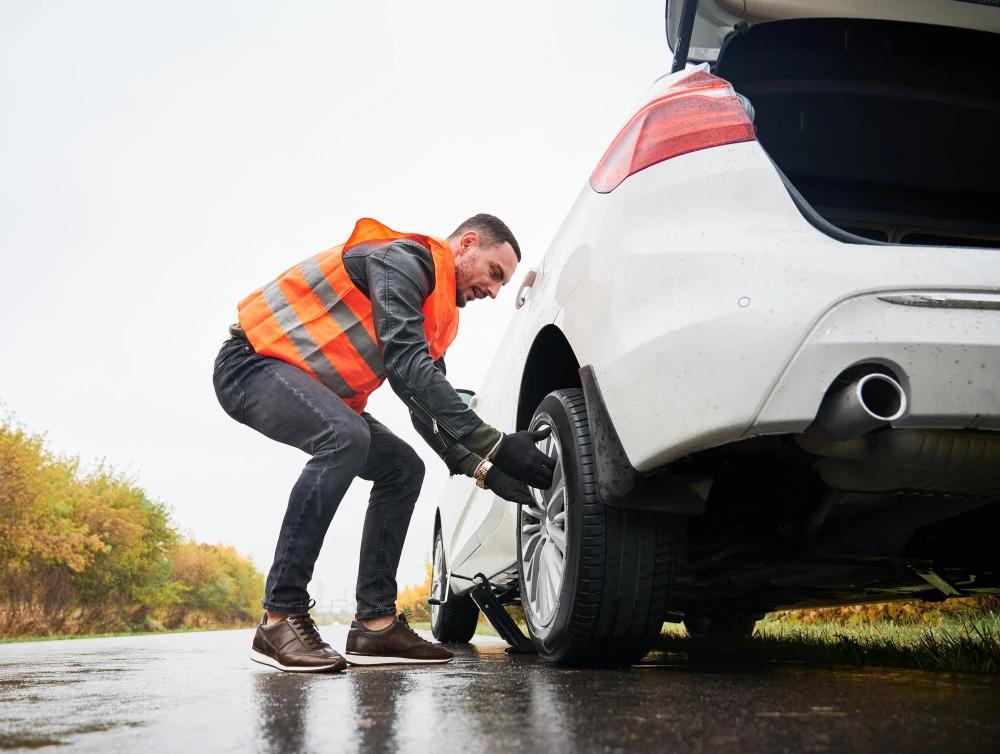
Examine the tread and search for dents, swellings or objects. Always have a spare tyre in your car that is correctly inflated and the tools.
In the case of a puncture on an unsafe place, pull over to avoid the traffic where possible. Car roadside assistance can be used to carry out arrangements to support the tyre rather than getting your hands dirty and repairing the tyre on the shoulder of the roads.
3. Fog and Low Visibility.
The visibility of other vehicles, road signs and pedestrians may be impaired due to winter fog. Prior to driving, ensure that, Headlights, tail lights, indicators and windshield wipers are functioning correctly. Wipe the windshield and fill-up washer fluid.
Slow down, keep a bigger following distance and keep low-beam headlights during a fog. Do not make abrupt brakes, do not pull over in a traffic lane unless it is an emergency.
In case of extremely poor visibility, seek a safe place where there is no traffic. Turn on your vehicle lights so that other motorists can see you.
4. Engine Starting and Fluid Problems
Cold conditions may cause some vehicles to take a longer time to start. Start the engine correctly with the owner manual and do not crank the engine long and long.
Check engine oil, coolant and windshield washer fluid prior to travel. Use fluids that are within specifications of the manufacturer of your car and the climatic conditions. Always keep a radiator cap closed and do not disregard any indication of excess heat or leaks.
In case your car breaks down and does not move because of a mechanical problem, a car breakdown service might assist in getting help or towing services as per the conditions of the service.
5. Fuel Shortages and Unexpected Breakdowns
Winter trips, traffic congestion and rerouting may contribute to high consumption of fuel. Ensure that you have sufficient fuel to cover your journey and find fueling stations before travelling in the remote areas.
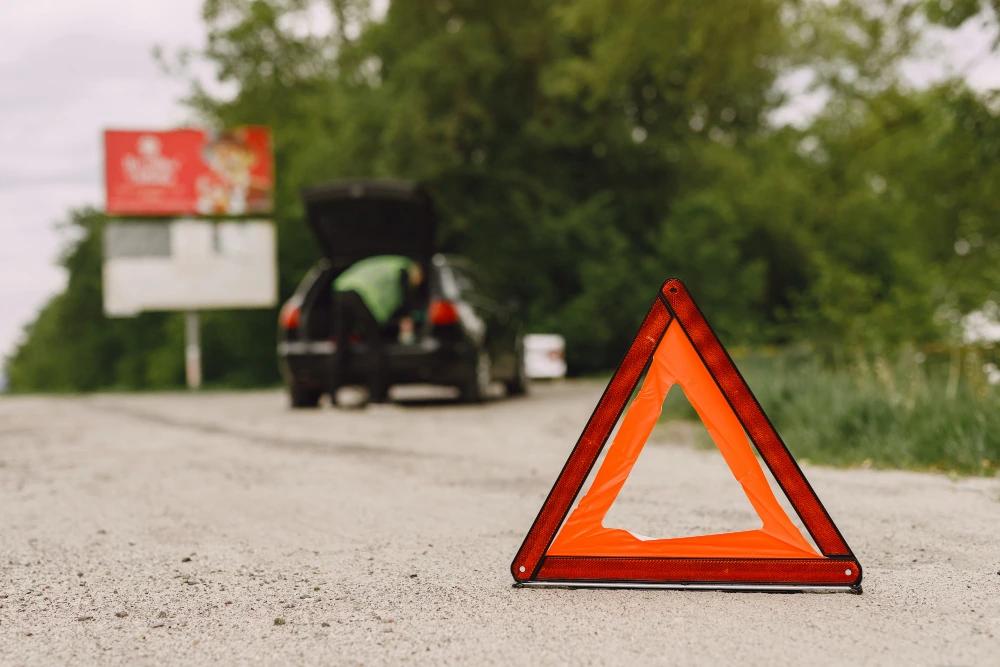
Remember to keep your phone fully charged and inform someone of your route before a long journey. Keep a simple first aid kit, drinking water, reflective warning triangle, first-aid kit, and torch, and warm clothing.
In the event of a breakdown, turn on hazard lights and remove to a safe place where possible. Request assistance and provide your location, description of your vehicle and a clear description of the issue.
Ensure that you have roadside assistance coverage before travelling. It can be towing, battery support or minor repairs depending on the plan. Providers may vary in the benefits and limits provided.
How Crossroads Helpline Can Help
Crossroads Helpline offers alternatives to motorists that have issues with their vehicles. Services can be puncture tyre support, fuel delivery, battery jump-start, towing, key lock out assistance and minor road side repairs depending on the membership chosen and the conditions.
When an issue occurs when the workshop is not open, a 24×7 roadside assistance plan can prove useful. Before drivers can rely on it, however, they should ensure that the service is available, that there are geographical limits and conditions of membership.
In terms of roadside assistance insurance , compare the services included, service-call limit and extra fees. Other drivers might want to choose an independent membership whereas others might have access to help in terms of their motor insurance policy.
Prior to reaching out to a provider, state the problem and provide your location. This will assist the support team in knowing whether you require a jump-start, tyre service or towing.
Winter Driving Checklist
Check tyre pressure, battery, lights, wipers, fluids and fuel before leaving home. Always carry warm clothes and emergency kits in your car particularly when travelling in colder climates.
Check on your roadside assistance coverage and save the contact information in your phone. An appropriate car roadside assistance package might be of help when an unforeseen issue cuts short your trip.
Depending on policy or membership, roadside assistance insurance can provide further assistance. Make sure to read through the terms to know what kinds of services are covered as well as the conditions.
Crossroads Helpline advises drivers to get ready and be aware of their help options, before they embark on a trip. By performing routine maintenance, driving carefully and having an appropriate car breakdown service, motorists can be more informed about the potential problems they might face during winter.
Winter driving takes time and preparation. Test your vehicle, think out your way and do not drive when it is not safe. With a bit of planning, it is possible to minimize the chances of breakdowns and enjoy your winter journey.