Home
Home
 Roadside Assistance
 Periodic Service (SOW)
 Corporate Partnership


.webp&w=48&q=75&dpl=dpl_4uSKNgDBGZc23bh6KE61nHic6ZgM "On-Road Emergency Assistance Service")


Introduction
Imagine you’re driving smoothly down the highway, and suddenly, your gear refuses to shift — your car revs, but it just doesn’t move as it should. This is one of the most frustrating experiences for any driver, often pointing to an issue with the clutch not working. For most car owners, the clutch system is a bit of a mystery until it fails. Whether you drive a manual transmission car daily or occasionally, understanding why clutches stop working can save you from breakdowns and costly repairs.
In this blog, we’ll explore the most common reasons why your clutch may stop working, how to recognize early warning signs, and what you can do to prevent future issues. We’ll also provide expert insights on clutch maintenance and professional help available through Crossroads Helpline — India’s leading roadside assistance provider. Let’s dive into the essential information every driver should know about clutch failures.
Things to Know Before Understanding Clutch Failure
Before diving into the technical reasons behind clutch failure, it’s important to understand how the clutch system operates and what its main components are. The clutch acts as a bridge between the engine and transmission, helping to engage or disengage power when shifting gears. When this balance is disrupted, your vehicle may struggle to accelerate, shift, or move efficiently.
Understanding these basic mechanics helps drivers recognize problems early. A clutch not working properly can result from hydraulic issues, worn components, or even driving habits. Below, we’ll cover key aspects you need to know before analyzing specific causes of clutch failure.
1. The Role of the Clutch in Transmission
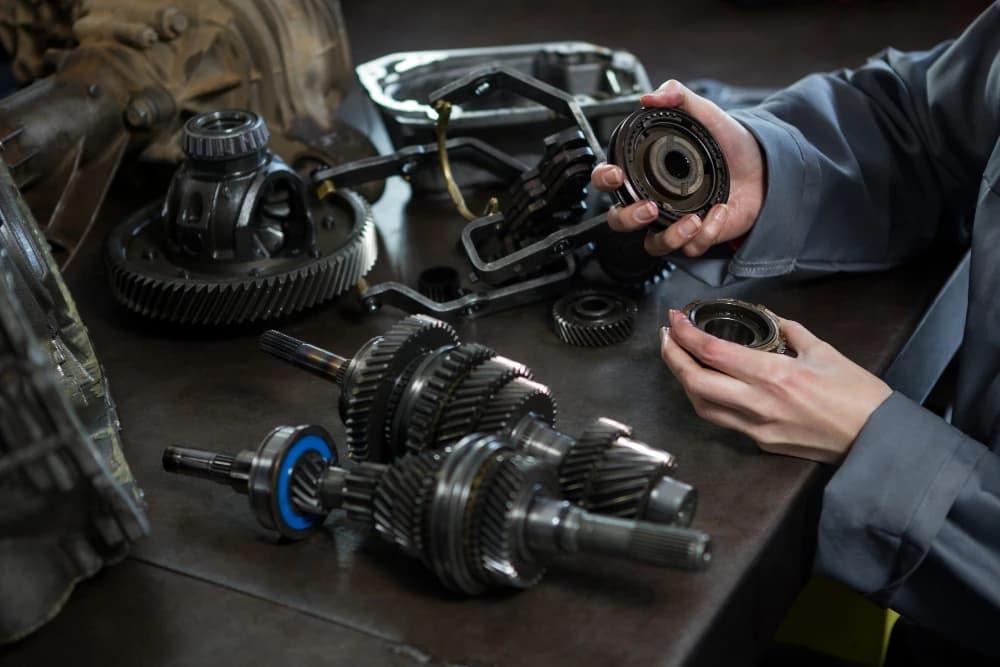
The clutch plays a crucial role in transferring power from the engine to the gearbox. When you press the clutch pedal, it temporarily disconnects the engine from the transmission, allowing smooth gear changes without grinding or jerks. If this process fails, it can lead to difficulty in shifting or a complete loss of motion.
A well-functioning clutch ensures smooth acceleration and control. Regular inspections of the clutch assembly, including the clutch disc, pressure plate, and release bearing, are vital. Ignoring early signs of wear can result in the clutch not working as expected, leading to breakdowns or the need for expensive replacements.
2. Importance of Hydraulic Systems in Clutch Operation
Modern cars often use hydraulic clutch systems that rely on fluid pressure to transfer force from the pedal to the clutch mechanism. The master and slave cylinders play key roles here. A drop in hydraulic fluid or air bubbles in the line can cause spongy pedal feel or complete clutch disengagement.
Checking hydraulic fluid levels regularly can help prevent sudden failures. If your clutch pedal feels soft, sinks to the floor, or requires pumping, it may indicate a hydraulic leak or failure. Crossroads Helpline provides expert assistance for such situations, ensuring you’re never stranded due to hydraulic issues.
3. How Driving Habits Affect Clutch Life
Driving style plays a significant role in clutch longevity. Resting your foot on the clutch pedal, known as ‘riding the clutch,’ or engaging in frequent stop-and-go driving can accelerate wear. Aggressive acceleration and poor gear management also contribute to premature clutch damage.
Adopting smoother driving habits can extend clutch life. Avoid holding the clutch halfway or using it to control your speed. When in traffic, use neutral instead of keeping the clutch partially engaged. These habits reduce stress on clutch components and help maintain optimal performance.
4. Common Symptoms of a Failing Clutch
Recognizing early symptoms can save you from being stranded. Signs of clutch failure include difficulty changing gears, a burning smell, or a slipping sensation when accelerating. Sometimes, you might notice the engine revving higher without a proportional increase in speed.
Other indicators like vibrations, sticking clutch pedals, or unusual noises also point toward mechanical wear. Being aware of these symptoms helps in diagnosing the issue early. Seeking professional help from Crossroads Helpline when these signs appear ensures prompt repairs and prevents further damage.
5. Regular Maintenance and Inspection Tips
Preventive maintenance is the best defense against clutch problems. Routine checks of clutch fluid levels, cable adjustments, and inspection of the clutch disc can prevent major breakdowns. It’s wise to follow your manufacturer’s recommended maintenance schedule.
Crossroads Helpline recommends periodic clutch inspections during regular servicing. Their trained technicians can detect potential issues before they escalate. Maintaining your clutch system not only saves costs but also ensures a safer and smoother driving experience.
Common Causes of Clutch Not Working
Now that we understand the basics, let’s explore the main reasons why your clutch may stop functioning properly. These issues range from mechanical failures to driving behavior and can affect both new and old vehicles.
1. Worn-Out Clutch Disc
The clutch disc experiences the most friction and pressure during operation. Over time, its friction material wears out, reducing its ability to engage properly with the flywheel. When this happens, the clutch may slip, leading to power loss and poor acceleration.
If you notice a burning smell or difficulty maintaining speed, the clutch disc may need replacement. Regular inspection and timely replacement can prevent more extensive damage to the transmission system.
2. Faulty Clutch Cable or Linkage
In vehicles using mechanical linkages, a stretched or broken clutch cable can prevent the clutch from disengaging fully. This makes gear shifting difficult or impossible. A loose clutch pedal or grinding noise during gear change often points to this issue.
Replacing the clutch cable or adjusting the linkage can restore smooth operation. It’s crucial to address this promptly to avoid straining other transmission components.
3. Leaking Hydraulic Fluid
For hydraulic systems, leaks in the master or slave cylinder can reduce the pressure needed for clutch engagement. This often results in a soft pedal feel or a complete inability to disengage the clutch.
Regularly check for fluid leaks under the hood or beneath your car. If you find any, it’s best to seek professional roadside assistance immediately. Crossroads Helpline’s mobile repair services can quickly diagnose and resolve such leaks on-site.
4. Air in the Hydraulic System
Air trapped in hydraulic lines can disrupt the fluid pressure needed for clutch operation. This can make the pedal feel spongy and affect clutch engagement accuracy.
Bleeding the clutch system is the most effective way to remove trapped air. Technicians at Crossroads Helpline are equipped to perform this service efficiently, restoring smooth pedal response.
5. Damaged Pressure Plate
The pressure plate ensures consistent contact between the clutch disc and flywheel. Over time, heat and friction can warp or weaken it, leading to clutch slippage or vibration during operation.
If you experience jerky movement or difficulty engaging gears, it may indicate a faulty pressure plate. Replacing it as part of a full clutch kit is often the most reliable solution.
6. Contaminated Clutch Surface
Oil leaks from the engine or transmission can contaminate the clutch surface, causing slippage. This issue not only affects performance but can also lead to severe damage if ignored.
Regularly inspect for leaks around the rear main seal or transmission input shaft. Cleaning or replacing the contaminated clutch parts restores friction efficiency.
7. Misaligned Clutch Components
Improper installation or misalignment during clutch replacement can lead to uneven wear or total clutch failure. This is why professional installation is essential.
Crossroads Helpline ensures precision alignment and expert service during clutch repairs or replacements. Their technicians use manufacturer-recommended tools and procedures to guarantee optimal performance.
Preventive Measures for a Healthy Clutch System
Preventing clutch failure begins with responsible driving and routine maintenance. Here are some essential preventive measures every car owner should adopt.
1. Adopt Smooth Driving Habits
Avoid resting your foot on the clutch pedal when driving. Use the clutch only when changing gears or starting the car. Smooth gear transitions reduce wear on clutch components and extend their lifespan.
Also, avoid holding the clutch pedal down while idling at signals — shift to neutral instead. This simple habit significantly reduces pressure on the clutch mechanism.
2. Schedule Regular Inspections
Periodic inspections allow early detection of wear and tear. Mechanics can check clutch cable tension, fluid condition, and pedal response to identify minor issues before they become major failures.
Crossroads Helpline offers comprehensive vehicle inspection services that include clutch and transmission checks. Scheduling regular maintenance visits ensures consistent performance and reliability.
3. Maintain Hydraulic Fluid Levels
Low or contaminated hydraulic fluid can impair clutch function. Always use manufacturer-recommended fluid and ensure it’s at the correct level.
Checking the reservoir monthly and replacing the fluid at regular intervals helps maintain proper clutch pressure. Clean fluid reduces the risk of internal damage in hydraulic components.
4. Avoid Overloading Your Vehicle
Carrying heavy loads frequently puts extra stress on the clutch system. The added strain can cause premature wear and overheating of the clutch components.
Try to stay within the manufacturer’s recommended load limits. Overloading also affects braking and handling, so managing weight effectively enhances overall vehicle safety.
5. Use Quality Parts and Professional Services
When replacing clutch components, always opt for OEM or high-quality aftermarket parts. Cheap alternatives may seem economical but can wear out quickly and compromise performance.
Crossroads Helpline collaborates with certified garages and mechanics to ensure only top-quality replacements and repairs. Their expert service ensures reliability and durability for all clutch-related issues.
Why Choose Crossroads Helpline for Clutch Assistance
When your clutch fails, it can leave you stranded at the most inconvenient times. That’s where Crossroads Helpline steps in — providing 24×7 emergency roadside assistance across India. Whether your car’s clutch isn’t engaging, or you’re stuck due to hydraulic failure, their professional team arrives quickly to help.
Crossroads Helpline’s services include on-the-spot mechanical support, towing, and vehicle repair coordination. Their technicians are trained to handle clutch, transmission, and hydraulic issues for all vehicle types. With nationwide coverage and years of trusted experience, Crossroads ensures your journey never stops due to a clutch malfunction.
Conclusion
A clutch not working properly can disrupt your driving experience and potentially cause costly damage if ignored. From worn clutch discs to hydraulic leaks and misalignment, understanding these causes empowers you to act early. Regular maintenance, mindful driving, and prompt professional help are key to preventing clutch-related issues.
For quick and reliable assistance, Crossroads Helpline is your go-to partner. Their expert roadside support ensures your car gets back on the road safely and efficiently. Don’t wait for your clutch to fail, stay proactive, stay safe, and drive with confidence.