
 Home
Home
 Roadside Assistance
 Periodic Service (SOW)
 Corporate Partnership


.webp&w=48&q=75&dpl=dpl_8RapWvh1zVezpBPK66yKqsf6U6Sx "On-Road Emergency Assistance Service")



Oil leaks are a common issue many drivers have encountered at some point in their vehicle ownership. Whether a small dribble or an enormous puddle, oil leaks can be a nuisance and a potential hazard on the road. But what exactly causes these leaks? To understand the root of the problem, it is essential first to have a basic understanding of how a vehicle’s engine functions. The engine is the heart of a car, and oil is its lifeblood. It is responsible for lubricating, cooling, and protecting the engine’s moving parts.
Any disruption or failure in this system can lead to oil leaks, affecting the vehicle’s performance and being detrimental to the environment. Identifying the cause of an oil leak can be tricky and often requires a trained mechanic’s expertise. In this article, we will delve into the various factors that can lead to oil leaks and the warning signs to look out for. By better understanding the causes of oil leaks, we can take preventative measures to avoid them and keep our vehicles running smoothly.
Common Causes of Oil Leaks

Several common culprits can lead to this frustrating issue when it comes to oil leaks in vehicles. One potential cause is a faulty or worn-out gasket or seal. Over time, these components can deteriorate and develop cracks or gaps, allowing oil to escape. Another possible cause is a damaged or loose oil pan. If the oil pan gets damaged or becomes loose, it can result in oil leaks.
Additionally, a malfunctioning oil filter can contribute to oil leaks as it may not correctly seal or filter the oil. It’s important to note that using an oil additive to stop leaks is not a permanent solution and should not be relied upon to fix the underlying causes of oil leaks. Addressing and resolving these common causes of oil leaks can prevent further damage to the vehicle and ensure proper engine lubrication.
Engine Wear and Tear
Engine wear and tear is a natural process as the engine components constantly move and rub against each other. This friction leads to gradual degradation and wearing down of the engine parts, eventually contributing to oil leaks in a car. The continuous movement and contact between the pistons, rings, valves, and other engine components can cause them to lose their original shape and fit, resulting in gaps or spaces where oil can escape.
In addition, the wearing down of seals and gaskets, which are responsible for keeping oil contained within the engine, can also lead to oil leaks. Regular maintenance, including routine oil changes and inspections, can help identify and address signs of engine wear and tear, minimizing the risk of oil leaks and ensuring the longevity and optimal performance of the engine.
Damaged Gaskets and Seals
One common cause of oil leaks in cars is damaged gaskets and seals. Gaskets and seals are crucial in maintaining a tight seal between different engine components, preventing oil from escaping. However, over time, these gaskets and seals can become worn out, brittle, or damaged due to various factors such as heat, pressure, and exposure to harmful chemicals. When gaskets and seals deteriorate, they may develop cracks, gaps, or breaks, allowing oil to seep through and leak out of the engine.
It is essential to promptly address any signs of damaged gaskets and seals to prevent further oil leaks and potential engine damage. Regular inspection and replacement of worn-out gaskets and seals, along with using high-quality oil additives to stop leaks, can help maintain the integrity of the engine’s sealing system and mitigate the risk of oil leaks.
How Oil Additives Can Help
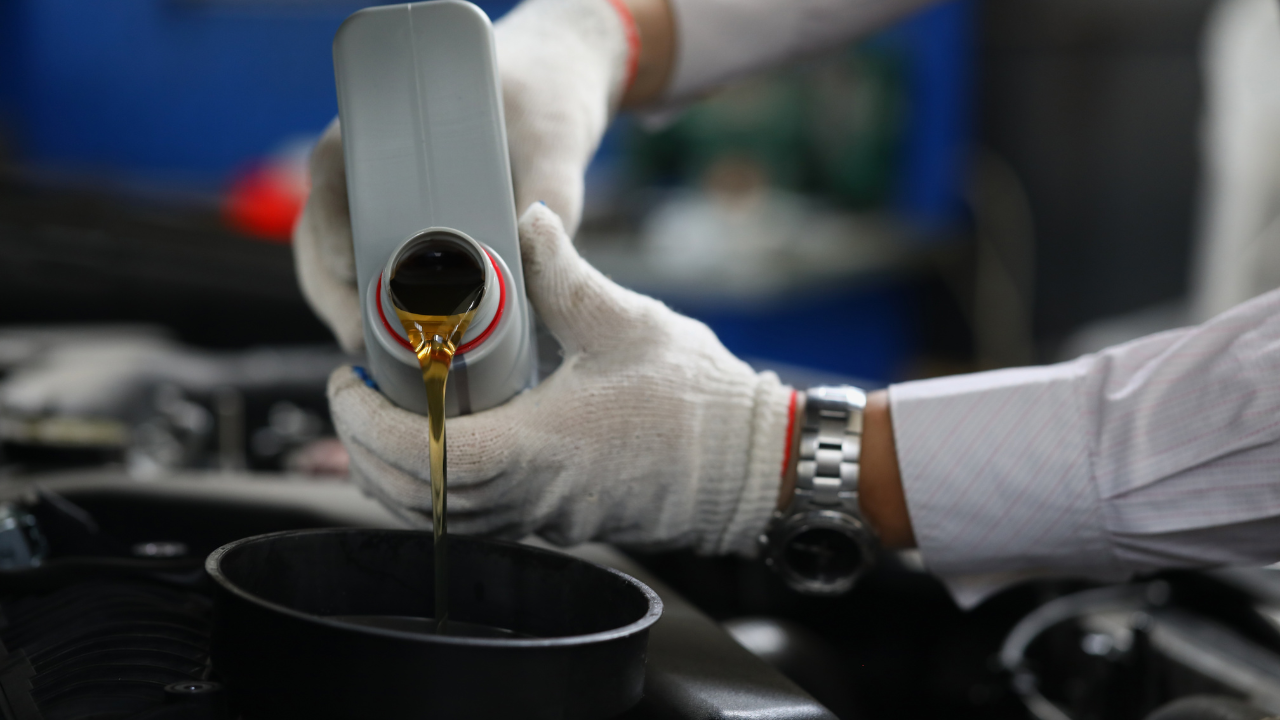
Oil additives can be a valuable solution in combating oil leaks in cars. These additives are specifically designed to improve the performance and functionality of engine oil, providing an additional layer of protection to prevent leaks. Using an oil additive formulated to stop leaks, you can effectively strengthen the seals and gaskets within the engine, reducing the likelihood of oil leakage. These additives work by rejuvenating and conditioning the seals, making them more flexible and resilient.
They can help to fill in any small gaps or cracks that may have formed, creating a tighter seal and preventing oil from escaping. Additionally, oil additives contain unique compounds that can reduce friction and wear on engine components, further enhancing the overall health and longevity of the engine. Incorporating a high-quality oil additive into your regular maintenance routine can effectively address and prevent oil leaks, ensuring optimal performance and reliability of your vehicle.
Prevention is Key for Leaks
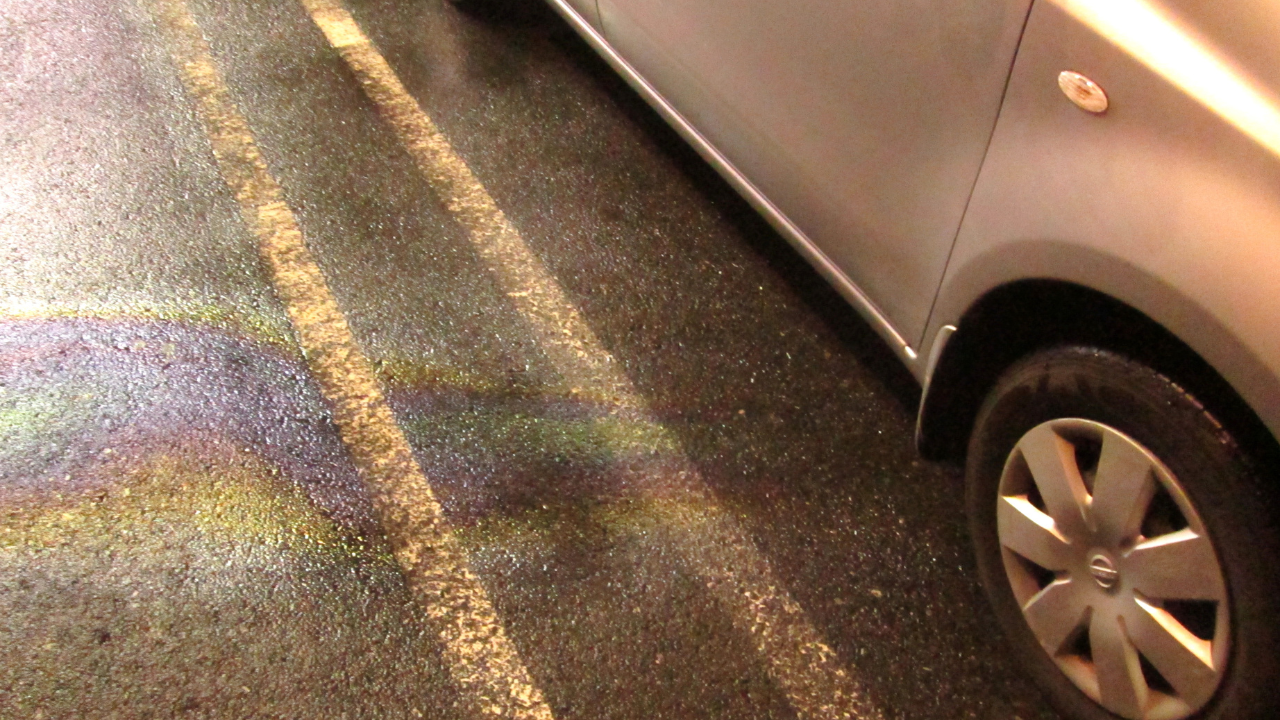
To avoid the hassle and potential damage caused by oil leaks in your car, it is crucial to prioritize prevention. Regular maintenance checks and inspections are essential to identify and address any possible causes of oil leaks before they become significant issues. Checking the condition of your engine seals and gaskets and monitoring oil levels and quality can help detect early signs of leaks. Additionally, ensuring that your engine is properly lubricated with the recommended oil type and changing the oil filter can significantly reduce the risk of leaks.
Taking these preventive measures and promptly addressing any signs of oil leakage can save you from costly repairs and potential engine damage. By staying proactive and implementing preventative strategies, you can effectively minimize the occurrence of oil leaks and maintain your vehicle’s optimal performance and longevity.
Final Words
In conclusion, oil leaks are a common and often frustrating issue for vehicle owners. However, understanding the potential causes of these leaks can help prevent them from occurring or becoming worse. Regular maintenance, prompt repairs, and proper vehicle care can all contribute to reducing the likelihood of an oil leak.
If you experience a leak, it is essential to address it promptly to avoid potential damage to your engine. By staying informed and taking preventative measures, you can keep your vehicle running smoothly and avoid the hassle and expense of dealing with an oil leak.


