Home
Home
 Roadside Assistance
 Periodic Service (SOW)
 Corporate Partnership


.webp&w=48&q=75&dpl=dpl_4uSKNgDBGZc23bh6KE61nHic6ZgM "On-Road Emergency Assistance Service")


Few driving experiences are more terrifying than pressing your brake pedal and realizing your vehicle isn’t slowing down as expected. A sudden brake fail can turn an ordinary commute into a life-threatening emergency within seconds. Whether you’re cruising down a highway or navigating city traffic, your braking system is your car’s most crucial safety feature. Unfortunately, most drivers overlook early warning signs, often assuming minor noises or vibrations are harmless. Recognizing these signs early could save not just your car — but your life.
In this blog, we’ll explore the most common indicators of potential brake issues, the reasons they occur, and how timely maintenance can prevent full brake failure. You’ll also learn how services like Crossroads Helpline emergency roadside assistance can be your lifesaver in a brake-related breakdown. By the end, you’ll know exactly what to watch for — and what steps to take the moment you suspect something is wrong with your braking system.
Understanding the Importance of Brake Maintenance
Your car’s braking system is a complex network of hydraulic lines, rotors, pads, and sensors — all working seamlessly to bring your vehicle to a stop. Over time, wear and tear are inevitable, but ignoring early warning signs can lead to complete brake failure. Regular car brake maintenance ensures not only smoother performance but also longer component life.
For most vehicles, routine brake checks are recommended every 10,000–15,000 miles, though this can vary based on driving habits and terrain. Simple maintenance tasks such as checking brake fluid, replacing worn pads, and ensuring rotor balance can dramatically reduce the risk of accidents caused by a brake fail scenario. Now, let’s look at the early symptoms every driver should recognize.
Things to Know Before Identifying Brake Fail Signs
Before diving into the symptoms of a potential brake fail, it’s important to understand what contributes to brake wear and performance degradation. Factors such as driving style, environmental conditions, and the quality of brake components all play a role in how quickly your system deteriorates.
Additionally, modern vehicles often include brake warning lights, ABS sensors, and onboard diagnostics that can alert you to problems before they become serious. But technology isn’t foolproof — physical awareness and regular inspection remain your best defense. Let’s explore the critical elements that determine brake performance.
The Role of Brake Fluid in Vehicle Safety
Brake fluid is the lifeblood of your braking system. It transfers force from the pedal to the calipers that grip the brake pads, converting mechanical pressure into stopping power. When the fluid level drops or becomes contaminated, the braking force diminishes significantly.
Moisture buildup is a common culprit, lowering the fluid’s boiling point and creating air pockets that lead to spongy brakes. Experts recommend checking brake fluid every 6 months. Neglecting this can cause partial or complete brake fail, especially during long drives or in high-temperature conditions.
How Driving Habits Affect Brake Longevity
Your driving style has a direct impact on brake wear. Frequent hard braking, especially in stop-and-go traffic, wears down pads faster than gentle deceleration. Similarly, downhill driving without engine braking overheats the system, leading to brake fade.
Practicing defensive driving not only enhances vehicle safety but also extends the lifespan of your braking components. Small changes like coasting before stopping or maintaining safe distances can make a big difference in preventing brake fail scenarios.
Importance of Brake Pad Inspections
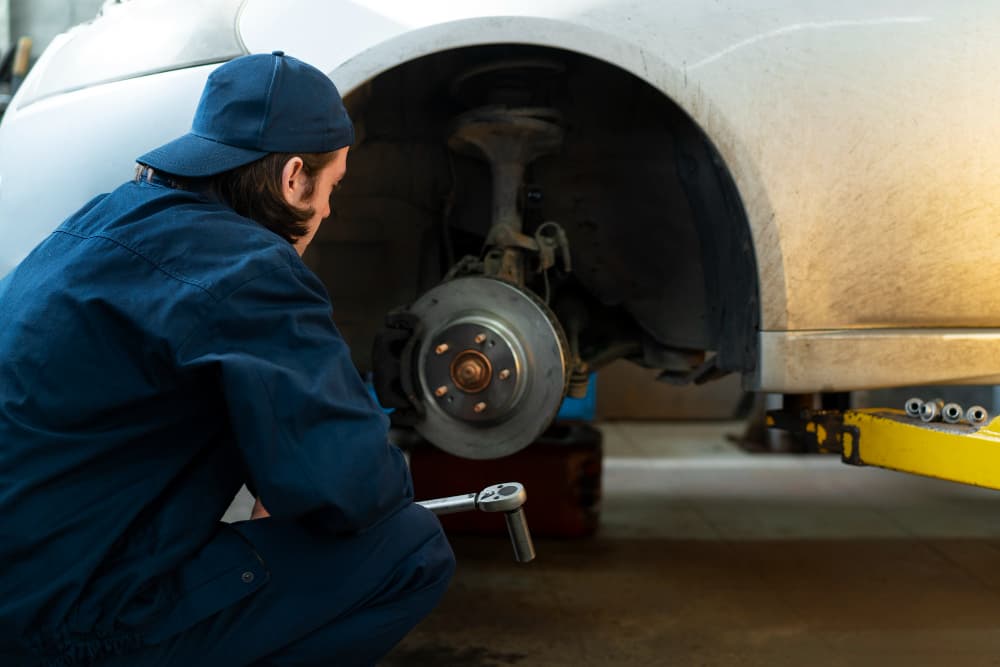
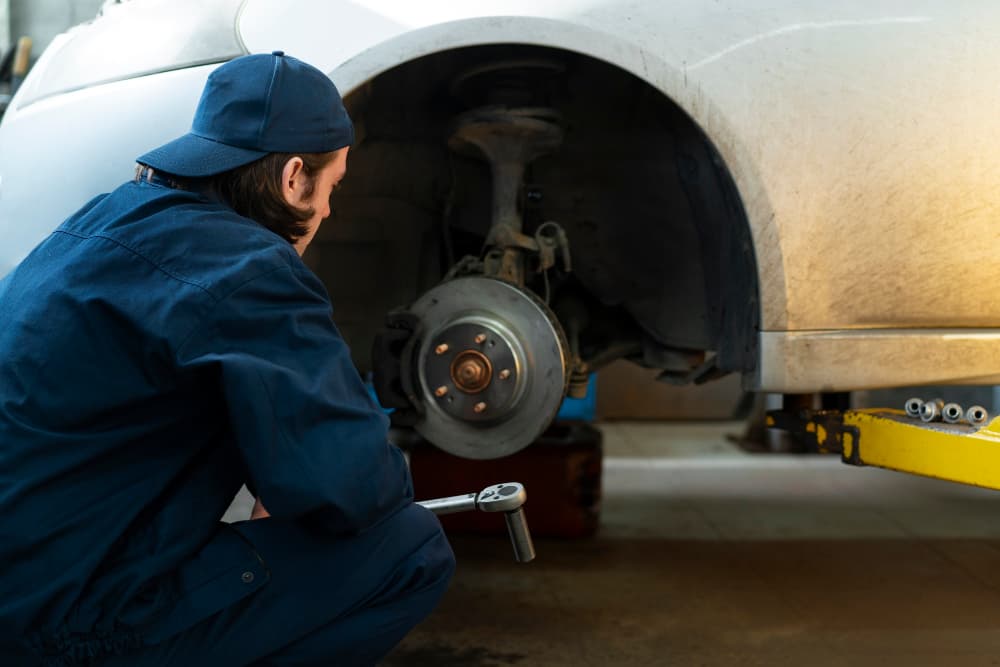
Brake pads are designed to wear down over time, but the rate of wear depends on usage and environment. Squealing or grinding noises often signal that pads are reaching their end. Ignoring them can lead to rotor damage — an expensive repair that compromises braking efficiency.
Routine brake inspections can catch these issues early. Experts recommend replacing brake pads when they reach 3mm thickness. A worn pad increases stopping distance, reduces control, and heightens the risk of a full brake fail during emergencies.
Understanding ABS Functionality
Anti-lock Braking Systems (ABS) prevent your wheels from locking up during sudden stops, maintaining traction and steering control. A faulty ABS sensor or malfunctioning control module can make it harder to stop safely on slippery roads.
If your ABS warning light is on, it’s a sign the system needs attention. Even though your brakes may still function, the safety backup of ABS won’t, increasing the risk of skidding and loss of control. Keeping ABS in top condition is key to avoiding a dangerous brake fail under extreme conditions.
Recognizing Brake Odor and Smoke
A burning smell after frequent braking, especially downhill, often indicates overheated pads or fluid. This not only reduces braking efficiency but also signals potential component failure.
If smoke is visible near the wheels, it means the pads or calipers are overheating. Continuing to drive under these conditions can cause the brakes to seize or fail entirely. When in doubt, stop immediately and seek help from Crossroads Helpline’s 24/7 roadside assistance.
Top Signs Your Brakes Are About to Fail
Knowing the early indicators of brake problems can prevent accidents and costly repairs. Here are some key symptoms every driver should watch for.
Soft or Spongy Brake Pedal
If your brake pedal feels unusually soft or requires extra pressure to engage, air or moisture may be trapped in the brake lines. This reduces hydraulic pressure, leading to longer stopping distances.
Bleeding the brakes and refilling with clean fluid usually resolves this issue. Ignoring a spongy pedal can result in a total brake fail, especially when braking repeatedly at high speeds.
Grinding or Squealing Sounds
Unusual sounds are among the first warning signs of brake trouble. High-pitched squeals usually indicate worn-out pads, while grinding noises mean the metal backing is scraping the rotor.
These sounds shouldn’t be ignored, as continued friction can warp the rotor and compromise braking efficiency. Always have the system inspected immediately to avoid worsening damage.
Car Pulling to One Side
When you apply the brakes and feel your car pulling left or right, it often indicates uneven pad wear, a stuck caliper, or uneven hydraulic pressure.
This imbalance not only stresses your tires but also creates a potential safety hazard. Consistent pulling may signal that your braking system is on the verge of failure, requiring immediate professional inspection.
Vibration While Braking
A pulsing sensation in the brake pedal usually points to warped rotors or uneven pad contact. These vibrations can reduce control, especially during sudden stops.
Rotors may need resurfacing or replacement to restore smooth braking. Ignoring the issue risks escalating damage and could lead to a brake fail situation on the road.
Warning Lights on Dashboard
Modern cars are equipped with sensors that detect brake issues early. If your dashboard lights up with a brake or ABS warning, don’t delay inspection.
Continuing to drive can worsen the damage and cause an unexpected failure. Responding promptly not only keeps you safe but also avoids costly repairs later.
Preventing Brake Fail Through Regular Maintenance
Maintaining your brakes isn’t just about repairs; it’s about prevention. Consistent inspections, timely replacements, and fluid checks are essential to vehicle longevity.
Make it a habit to schedule professional brake service every six months. Reliable providers like Crossroads Helpline offer full diagnostic checks to identify potential issues before they become dangerous.
Regular Brake Fluid Replacement
Brake fluid absorbs moisture over time, which reduces its effectiveness. Replacing it every 20,000–40,000 km ensures stable hydraulic pressure and responsive braking.
Neglecting this step can lead to vapor lock, where boiling fluid causes total brake failure. Always use the manufacturer-recommended fluid type for best results.
Timely Brake Pad and Rotor Replacement
Worn pads and rotors significantly affect stopping distance and vehicle control. Always replace them in pairs to maintain balanced braking.
A professional mechanic can measure rotor thickness and advise if resurfacing or replacement is needed. Preventive care like this is the simplest way to avoid a brake fail emergency.
Why Choose Crossroads Helpline for Emergency Brake Assistance
When you face an unexpected brake fail or any roadside emergency, Crossroads Helpline is your reliable partner. Offering 24/7 assistance, their team ensures you receive prompt support anywhere in India.
Whether it’s towing, jump-starting, or on-site brake inspection, Crossroads prioritizes your safety above all. Their nationwide network of trained professionals guarantees quick response times, ensuring that help is never far away.
Crossroads also provides annual membership plans with additional benefits like fuel delivery, flat tire repair, and emergency locksmith support. Choosing their services means peace of mind every time you hit the road.
Conclusion
A brake fail isn’t just a mechanical issue — it’s a life-threatening risk that demands attention and care. Recognizing early warning signs, maintaining your vehicle regularly, and seeking professional help can prevent catastrophic accidents.
Crossroads Helpline stands ready to support you in any emergency with rapid, reliable roadside solutions. Don’t wait for failure to strike — act today to keep your brakes, your car, and your loved ones safe.