Home
Home
 Roadside Assistance
 Periodic Service (SOW)
 Corporate Partnership


.webp&w=48&q=75&dpl=dpl_4uSKNgDBGZc23bh6KE61nHic6ZgM "On-Road Emergency Assistance Service")


When you press your clutch pedal, you expect your car to shift gears smoothly, but sometimes, it doesn’t. A sudden change in how your clutch feels or performs can leave you wondering why your car isn’t responding properly. If your clutch not working has left you stuck, don’t panic. Understanding a few basic things about how the clutch operates and what may have gone wrong can help you make smarter decisions before calling for help. This blog will walk you through quick troubleshooting tips that could get you back on the road faster.
A car’s clutch is vital for smooth gear transitions, and when it fails, it can cause frustration and safety concerns. In this blog, we’ll break down everything you need to know — from identifying early signs of clutch trouble to quick fixes and preventive maintenance. Whether you’re a daily commuter or long-distance driver, these insights will help you diagnose issues effectively. If you need expert help right away, contact Crossroads Helpline for 24/7 roadside assistance and clutch repair services.
Things to Know Before Troubleshooting a Faulty Car Clutch
Before diving into fixes, it’s crucial to understand what makes a clutch system work and what might cause it to malfunction. Knowing the core mechanics helps you identify whether it’s a minor issue you can address or a major one requiring professional assistance.
Understanding the Role of the Clutch System
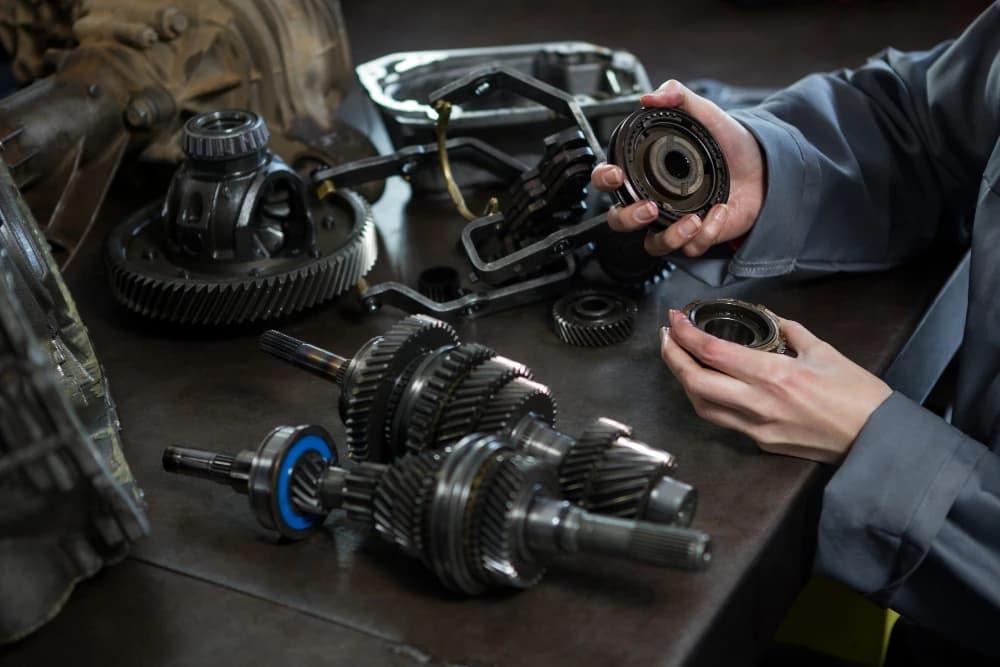
The clutch system acts as the bridge between your engine and the transmission system. It temporarily disconnects the power flow to allow smooth gear changes. When you press the clutch pedal, it engages and disengages engine power, ensuring you can shift gears effortlessly. Without it, your car’s performance and drivability are compromised.
This makes the clutch one of the most important components in your vehicle. Any issues with it — whether mechanical or hydraulic — can affect acceleration, fuel efficiency, and control. Understanding this core mechanism gives you a foundation for better troubleshooting and smarter maintenance decisions.
Common Causes of Clutch Malfunction
A number of issues can cause your clutch to fail, from low hydraulic fluid levels to a worn-out clutch cable. Problems in the pressure plate, release bearing, or master cylinder can also lead to ineffective clutch performance. Recognizing these root causes helps prevent unnecessary repairs and breakdowns.
Another major culprit is leakage in the hydraulic system. If air or fluid escapes, pressure is lost, making the clutch pedal feel soft or unresponsive. Timely inspection and servicing can prevent small leaks from becoming expensive replacements later on.
Signs Your Clutch is About to Fail
Some early warning signs of clutch trouble include difficulty shifting gears, a burning smell, or a grinding noise when you press the pedal. You may also feel vibrations or notice your engine revs increasing without an actual speed boost. These are all indicators of clutch slippage or component wear.
If ignored, these signs could result in complete clutch failure, leaving you stranded. Monitoring your clutch’s responsiveness and scheduling prompt inspections can save time, stress, and repair costs in the long run.
The Importance of Routine Clutch Maintenance
Routine clutch maintenance ensures the longevity of your vehicle’s transmission system. Regular checks on hydraulic fluid, clutch pedal play, and cable tension can prevent sudden failures. Preventive maintenance not only extends component life but also guarantees a smoother and safer driving experience.
Incorporating clutch inspections into your regular vehicle servicing schedule reduces long-term expenses. Maintaining your clutch system proactively is one of the best investments in overall vehicle performance and reliability.
When to Seek Professional Help
While some minor clutch issues can be managed at home, others demand expert intervention. Persistent gear slipping, squealing noises, or a completely unresponsive clutch pedal often require a qualified mechanic’s diagnosis. Attempting complex repairs without experience may cause more harm than good.
Crossroads Helpline offers professional roadside and clutch repair services to handle these issues swiftly. Their team of trained technicians ensures accurate diagnosis and quick fixes to get your car running smoothly again.
Step-by-Step Tips to Fix a Clutch Not Working
Now that you understand the basics, let’s look at practical steps to troubleshoot a clutch that’s not functioning as expected.
Check the Clutch Pedal Pressure
Start by assessing how the clutch pedal feels under your foot. If it feels soft or sinks to the floor, there may be air trapped in the hydraulic system or a leak in the line. Pumping the pedal a few times can sometimes help temporarily restore pressure.
However, a spongy pedal often indicates deeper issues in the master or slave cylinder. These components should be inspected immediately, as continuing to drive can worsen the problem.
Inspect the Hydraulic Fluid Level
Next, open the hood and locate the clutch fluid reservoir — usually next to the brake fluid reservoir. Low fluid levels often cause clutch engagement issues. Top it up using the recommended brake or clutch fluid type.
If the problem persists after topping up, it could mean there’s a leak somewhere in the system. Inspect around the reservoir, master cylinder, and slave cylinder for any dampness or residue.
Examine the Clutch Cable or Linkage
For vehicles with mechanical clutch systems, a stretched or broken clutch cable can prevent proper engagement. Check for visible fraying or loose connections at both ends of the cable.
If your clutch uses hydraulic linkage, ensure that all connections are tight and free from corrosion. Replacing a worn cable or adjusting its tension can often restore clutch responsiveness instantly.
Look for Fluid Leaks Near the Transmission
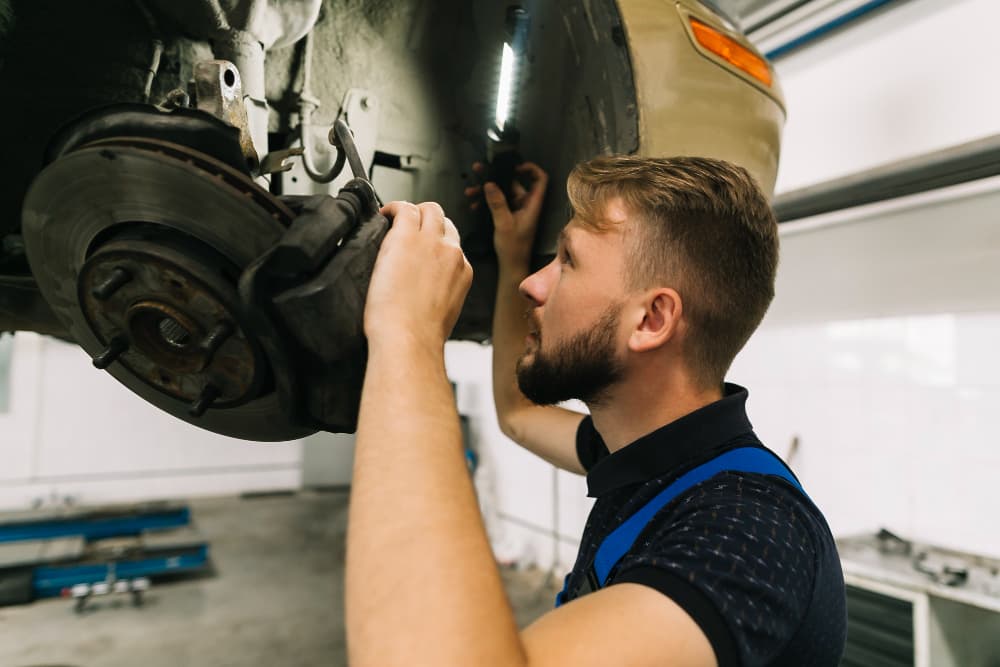
Inspect the area around your transmission housing and underneath your vehicle. Any sign of fluid leakage indicates a compromised seal or gasket. Leaks reduce hydraulic pressure, leading to inconsistent clutch operation.
If you notice red or amber fluid pooling under your car, contact Crossroads Helpline immediately. Their experts can diagnose leaks on-site and provide safe, efficient repair solutions.
Test Drive to Confirm Smooth Operation
After completing these checks, take your vehicle for a short test drive. Observe whether the clutch engages smoothly and gears shift without delay. If the pedal still feels soft or gears grind, it’s best to stop and consult a professional.
A successful test drive confirms your clutch system is functioning correctly again. However, recurring symptoms signal underlying wear that must be addressed by an expert mechanic.
Preventive Measures to Avoid Clutch Problems
Keeping your clutch in top shape requires mindful driving habits and regular care. Here’s how to avoid common issues.
Regular Vehicle Servicing
Routine servicing keeps all your car components, including the clutch, in good condition. Regular inspections help detect wear and tear early before they become costly problems.
Scheduling timely maintenance through Crossroads Helpline ensures your clutch and transmission system receive expert attention using high-quality parts and fluids.
Avoid Resting Foot on the Clutch Pedal
Many drivers develop the habit of resting their foot lightly on the clutch pedal while driving. This causes unnecessary friction and accelerates wear on the clutch disc.
Train yourself to rest your foot on the floor when not shifting gears. This simple adjustment can extend clutch life and enhance driving efficiency.
Learn Smooth Gear Shifting Techniques
Smooth gear transitions reduce strain on the clutch system. Avoid jerky starts and high RPM gear shifts, as these put extra pressure on the clutch plate and flywheel.
Practicing smoother driving habits enhances both comfort and performance. It also reduces fuel consumption, making your vehicle more efficient overall.
Drive Mindfully in Heavy Traffic
Frequent stop-and-go driving in traffic causes repeated clutch use, which increases heat and wear. Try to maintain a steady pace and use neutral gear when stationary.
Driving patiently and planning lane changes smartly can significantly reduce clutch fatigue, ensuring better long-term reliability.
Choose Quality Replacement Parts
When your clutch components need replacing, always opt for OEM or high-quality aftermarket parts. Cheaper alternatives might save money initially but wear out much faster.
Crossroads Helpline partners with trusted suppliers to ensure only the best parts are used in their repairs. This commitment guarantees durability and peace of mind for every driver.
Why Choose Crossroads Helpline for Clutch and Breakdown Assistance
Crossroads Helpline stands out as a trusted name in vehicle recovery and roadside assistance. With nationwide coverage and 24/7 availability, they ensure that help is never far away when you experience a clutch issue. Their expert mechanics can diagnose and repair problems on the spot, minimizing downtime and inconvenience.
Beyond emergency repair, Crossroads offers preventive maintenance services, towing, and professional support tailored to your vehicle’s needs. Their transparent pricing, quick response time, and customer-first approach make them the ideal choice for any driver seeking reliability and safety.
Conclusion
A malfunctioning clutch can disrupt your plans and endanger your safety, but knowing how to troubleshoot the issue makes all the difference. From checking fluid levels to understanding warning signs, each step you take improves your car’s performance and longevity. However, for complex issues or repeated failures, professional assistance is key.
With Crossroads Helpline, you’re never alone on the road. Their 24/7 roadside assistance and expert mechanics ensure your vehicle is back in perfect condition quickly and safely. Stay proactive, drive smart, and trust Crossroads Helpline for all your clutch and car care needs.