Home
Home
 Roadside Assistance
 Periodic Service (SOW)
 Corporate Partnership


.webp&w=48&q=75&dpl=dpl_4uSKNgDBGZc23bh6KE61nHic6ZgM "On-Road Emergency Assistance Service")


When you’re cruising down the highway, confident behind the wheel, the last thing you expect is your brakes to fail. Yet, the risk is real, and the consequences can be catastrophic. Brake fail incidents often start with subtle signs—noises, vibrations, or changes in pedal feel,that drivers ignore until it’s too late. Understanding these early warnings can make the difference between a safe stop and a serious accident. If you’ve ever wondered what to look for to ensure your car’s braking system is in perfect condition, this blog is your go-to guide.
In this detailed post, we’ll explore everything you need to know about brake fail signs, causes, and prevention. From how brakes work to the common symptoms of malfunction, you’ll learn to spot the red flags before they turn into emergencies. Whether you’re a seasoned driver or a daily commuter, recognizing these signs can help you stay safe on the road. For immediate help during emergencies, Crossroads Helpline offers 24/7 roadside assistance across India, ready to respond whenever you face brake-related issues.
Understanding the Basics of Brake Failure
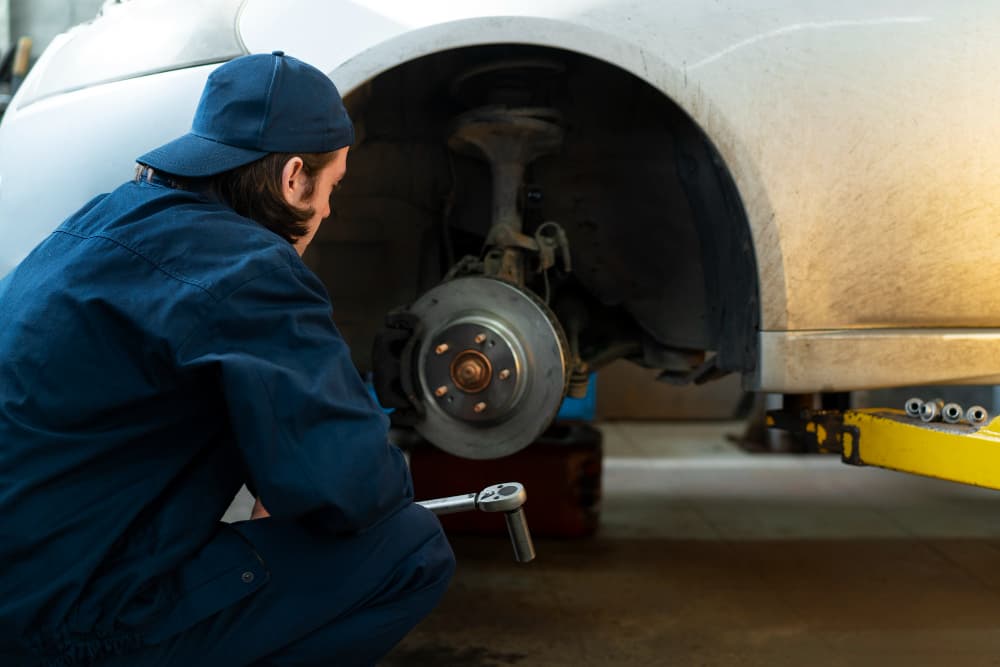
Brakes are the most crucial component of your vehicle’s safety system. They work through hydraulic pressure that forces brake fluid into calipers, squeezing brake pads against rotors to slow or stop your car. However, constant friction and heat gradually wear down the system. Over time, neglect, low maintenance, or faulty components can cause the entire mechanism to fail. Understanding how the system operates is the first step in identifying potential issues before they escalate.
To help you grasp this better, let’s break down the fundamentals of how car brakes function, what causes them to fail, and how you can keep them working efficiently. The following sections dive into brake system basics, maintenance habits, and the key warning signs you must never ignore.
How Car Brakes Work: The Foundation of Safety
Your car’s braking system relies on a hydraulic mechanism that converts pressure from your foot into stopping power. When you press the pedal, brake fluid pushes pistons that clamp brake pads onto rotors. This friction slows the wheels, bringing your vehicle to a stop. The smoother this process, the safer your ride. Properly functioning brakes also balance your vehicle during turns and sudden stops, ensuring stability on all terrains.
Understanding this process helps drivers appreciate the importance of maintaining brake components. Over time, hydraulic lines can develop leaks, and pads can wear thin, reducing braking efficiency. Regular servicing ensures the system operates with optimal fluid pressure, maintaining responsiveness and safety during every drive.
Common Causes of Brake Failure
Brake failure doesn’t happen overnight. It’s usually the result of gradual wear or neglect. The most common causes include worn-out brake pads, contaminated brake fluid, or leaking hydraulic lines. When friction material on pads wears down, stopping power diminishes, and the rotors can overheat or warp, leading to poor performance. Ignoring these symptoms can result in complete system breakdown.
Another cause is a lack of routine maintenance. Drivers who skip inspections or delay replacements risk reduced braking force. Regular fluid top-ups and pad replacements significantly extend system life. In short, prevention through timely care is far cheaper—and safer—than facing an unexpected brake fail situation.
The Role of Brake Fluid in Performance
Brake fluid is the lifeblood of your car’s braking system. It transmits the force applied on the pedal to the wheels. Low or contaminated brake fluid causes air bubbles to form, leading to spongy or unresponsive brakes. Maintaining proper fluid levels is essential to ensure consistent pressure and braking efficiency.
Always check your vehicle manual for the recommended brake fluid type and replacement schedule. Replacing fluid every 1–2 years keeps your braking performance at its best. A quick check during routine maintenance can prevent costly repairs and enhance vehicle safety.
How Driving Habits Affect Brake Health
Your driving style has a direct impact on your brake system’s longevity. Frequent hard braking or aggressive driving generates excessive heat, wearing out pads and rotors faster. Similarly, tailgating and sudden stops strain the system unnecessarily, increasing maintenance costs.
Adopting smoother driving techniques—like gradual braking and maintaining a safe following distance—helps preserve brake components. Over time, mindful driving habits reduce wear and improve overall safety, ensuring your brakes remain reliable even in critical moments.
Why Regular Brake Inspections Are Essential
Routine brake inspections are the key to catching problems early. Mechanics can identify worn pads, fluid leaks, and uneven rotor wear before they lead to dangerous failures. Regular checkups not only improve safety but also enhance your car’s performance and resale value.
Experts recommend having your brakes inspected every six months or 10,000 kilometers. This proactive approach ensures optimal braking efficiency, giving you peace of mind every time you hit the road.
Top Signs Your Brakes Are About to Fail
Knowing the early warning signs of brake trouble can prevent serious accidents. Each sound, vibration, or change in pedal feel is your car’s way of signaling for attention. Recognizing and addressing these symptoms early ensures your safety and extends the life of your braking system.
Here are the most common signs you should never overlook:
Squealing or Grinding Noises When Braking
If your brakes emit high-pitched squeals or grinding sounds, your brake pads are likely worn out. This noise occurs when metal parts rub against rotors, signaling immediate replacement. Ignoring it risks rotor damage and expensive repairs.
Always address these noises promptly. Replacing pads early not only saves money but also ensures smoother braking and improved control on the road.
Soft or Spongy Brake Pedal
A soft or spongy pedal indicates air or moisture in the brake lines, reducing hydraulic pressure. This leads to longer stopping distances and increased risk of brake fail in emergencies.
If you notice the pedal sinking too easily, have your brake system bled and refilled. Restoring firm pedal response ensures consistent stopping power and driver confidence.
Car Pulling to One Side While Braking
When your car veers left or right during braking, uneven pad wear or hydraulic imbalance might be to blame. This not only affects control but also increases tire wear.
Get the issue checked by a mechanic immediately. Proper alignment and balanced braking restore directional stability, ensuring safer handling in all conditions.
Warning Lights on the Dashboard
Modern vehicles are equipped with brake warning indicators that alert you to system malfunctions. A glowing brake light could mean low fluid levels or worn-out pads.
Never ignore dashboard alerts. They’re designed to help you act before minor issues escalate into total brake failure.
Vibrations or Burning Smells During Braking
Vibrations in the brake pedal or steering wheel suggest warped rotors or uneven pad contact. A burning odor indicates overheating, often from friction or fluid leaks.
Stop driving immediately if you experience these symptoms. Continued use may cause further damage, compromising safety.
Preventive Measures to Avoid Brake Failure
Preventing brake failure starts with consistent maintenance and smart driving habits. Understanding how to care for your braking system can save you from costly repairs and life-threatening situations.
Regular Brake Fluid Checkups
Regularly inspect and top up your brake fluid. Ensure it remains clean and free from contamination. Old or dirty fluid compromises braking performance.
Schedule periodic flushes as recommended by your manufacturer. Clean brake fluid ensures responsive, reliable braking every time.
Timely Replacement of Brake Pads and Rotors
Brake pads and rotors naturally wear out with use. Timely replacement maintains efficient braking power and prevents rotor damage.
Replacing these components as part of routine service ensures consistent stopping power and optimal vehicle control.
Avoiding Overloading Your Vehicle
Overloading puts extra strain on your braking system, forcing it to work harder and wear out faster. Always adhere to manufacturer load limits.
A balanced load not only protects your brakes but also enhances overall vehicle stability and fuel efficiency.
Routine Professional Inspections
Regular professional inspections help identify potential issues before they escalate. Certified technicians can detect worn-out parts or leaks invisible to untrained eyes.
These inspections ensure that your brake system remains in top shape, offering maximum safety every time you drive.
Driving Smoothly to Reduce Brake Stress
Avoid sudden stops and aggressive braking. Smooth driving reduces friction and heat buildup in brake components.
Practicing gradual braking extends the lifespan of your brakes, ensuring they perform effectively in emergencies.
Emergency Steps to Take During a Brake Fail
A brake failure is one of the scariest experiences a driver can face. Staying calm and acting fast can make all the difference.
Don’t Panic—Stay Focused
Panic can cloud judgment. Stay composed and assess the situation. Keep both hands on the wheel and focus on controlling the vehicle.
Remaining calm allows you to execute safety maneuvers more effectively and avoid panic-induced mistakes.
Use the Emergency Brake Carefully
The emergency brake, or handbrake, operates separately from your main system. Engage it gently to slow down gradually.
Avoid jerking it abruptly, as this could cause skidding or loss of control.
Shift to a Lower Gear
Downshifting helps your engine slow the car when the main brakes fail. Start with lower gears to manage speed effectively.
This technique works best in manual vehicles but can also be used in some automatic transmissions with manual modes.
Signal and Steer to Safety
Activate your hazard lights immediately and steer towards the roadside or a safe exit. Avoid high-traffic lanes whenever possible.
Use your horn if necessary to alert other drivers. Stopping in a clear, open space minimizes further risks.
Call for Professional Roadside Assistance Immediately
Once you’re safely stopped, call for professional help. Services like Crossroads Helpline provide 24/7 assistance for emergencies, including brake failure.
Avoid attempting DIY repairs on the road. Trained professionals can inspect and restore your vehicle safely.
Why Choose Crossroads Helpline for Brake Fail Emergencies
Crossroads Helpline is India’s leading roadside assistance provider, offering fast, reliable, and nationwide coverage. Whether it’s a sudden brake fail, battery issue, or flat tire, their expert team ensures immediate help wherever you are. Their services include on-the-spot mechanical repairs, towing, and safety checks to get you back on the road quickly.
What sets Crossroads Helpline apart is their 24/7 availability and vast network of professionals. With real-time tracking, transparent pricing, and customer-focused service, they prioritize your safety and convenience. Choosing Crossroads Helpline means having peace of mind, knowing that reliable assistance is just a call away.
Conclusion
Recognizing the early signs of brake fail can save your life and protect your vehicle. Squealing sounds, spongy pedals, or dashboard warnings should never be ignored. By following preventive maintenance routines and adopting smooth driving habits, you can extend your brake system’s lifespan and ensure safe travels.
For emergencies or preventive maintenance support, Crossroads Helpline is your trusted partner. Their 24/7 roadside assistance ensures expert help is always within reach. Don’t wait until it’s too late schedule a brake inspection today and drive with confidence knowing your safety is in good hands.