Home
Home
 Roadside Assistance
 Periodic Service (SOW)
 Corporate Partnership


.webp&w=48&q=75&dpl=dpl_4uSKNgDBGZc23bh6KE61nHic6ZgM "On-Road Emergency Assistance Service")


Experiencing a brake fail while driving can be one of the most terrifying moments for any driver. Whether it happens suddenly on a busy highway or while cruising through city traffic, the inability to stop your vehicle instantly can cause panic and confusion. But knowing exactly what to do in those critical seconds can make all the difference. Every driver, new or experienced, should understand the emergency measures that can help them regain control and avoid potential accidents during a brake malfunction.
In this blog, we’ll walk you through essential emergency tips to handle brake fail safely, along with expert advice to prevent such situations in the first place. You’ll learn step-by-step procedures, safety hacks, and precautionary checks that can save lives. Stay with us until the end for a professional guide and discover how Crossroads Helpline can be your trusted roadside companion during emergencies like these.
Things to Know Before Handling a Brake Fail
Before diving into the list of actionable steps, it’s crucial to understand how brakes function, why they fail, and what early signs might indicate trouble. Awareness of these fundamentals can significantly reduce your risk and prepare you for unexpected failures.
1. Common Causes of Brake Failure
One of the most frequent causes of brake failure is a loss of hydraulic pressure due to leaks in the brake lines. This leads to an unresponsive or spongy brake pedal. Overheating, worn-out brake pads, or contaminated brake fluid are other culprits that can reduce braking efficiency. Sometimes, human negligence—like skipping regular servicing—plays a major role in unexpected failures.
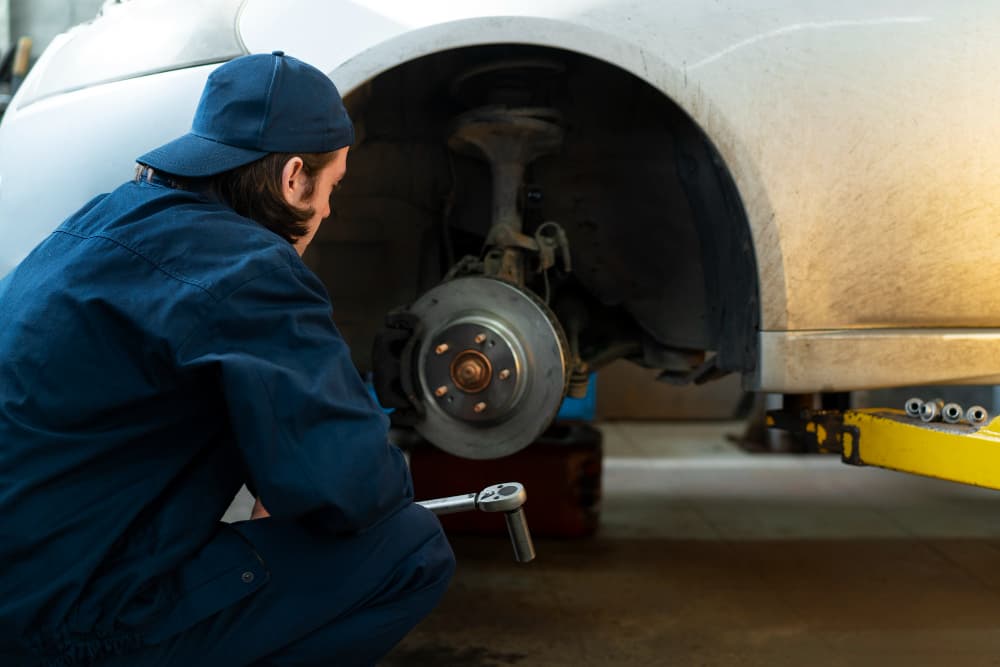
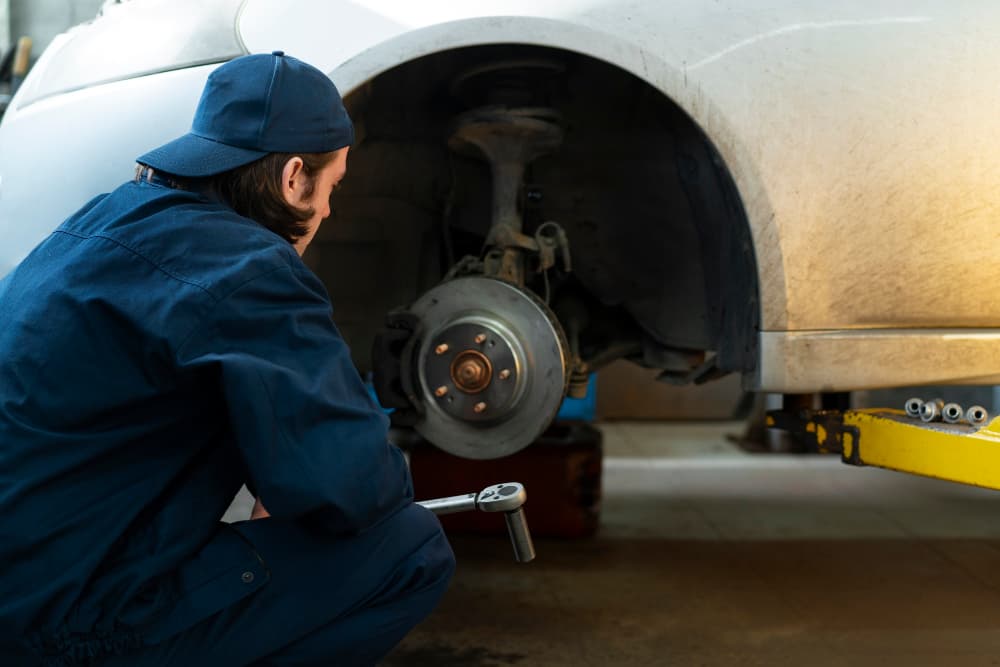
Another reason could be mechanical malfunction, such as damaged rotors, calipers, or master cylinders. These components are vital in transferring the stopping force to your wheels. To avoid such instances, routine checks at a trusted service provider or through roadside assistance, such as Crossroads Helpline, can help identify hidden risks before they escalate.
2. Early Warning Signs of Failing Brakes
Recognizing warning signs of brake failure early can save you from catastrophic accidents. If you notice squealing, grinding, or clicking sounds when pressing the brake pedal, it’s time to get your brake system inspected. Similarly, if your car pulls to one side or the brake pedal feels unusually soft or hard, these are signs of potential brake system issues.
Additionally, a burning smell or vibration during braking can indicate overheated or warped rotors. These symptoms should never be ignored, as they are clear indicators of compromised safety. Early intervention through an emergency service like Crossroads Helpline can prevent these small issues from turning into full brake failure scenarios.
3. Importance of Regular Brake Maintenance
Maintaining your brake system is not just about vehicle health—it’s about safety. Regular brake inspections ensure that fluid levels are maintained, pads are replaced on time, and components remain in top condition. Ignoring brake maintenance can lead to long-term damage that increases both accident risk and repair costs.
Scheduling regular servicing with a reliable provider, such as Crossroads Helpline, ensures that even minor brake issues are detected early. Preventive care helps you drive confidently, knowing your braking system is performing optimally.
4. Role of Brake Fluid in Preventing Failures
Brake fluid plays a vital role in transmitting pressure from the pedal to the wheels. If it becomes contaminated or leaks out, your braking power diminishes drastically. Low fluid levels can cause air bubbles to enter the system, leading to total brake failure.
Always check your brake fluid levels during regular vehicle maintenance. Replace the fluid according to your manufacturer’s recommendations. If you notice leaks or changes in pedal pressure, it’s time to seek help from professionals like Crossroads Helpline to ensure your safety on the road.
5. Understanding Your Vehicle’s Braking System
Every vehicle has a unique braking system, whether it’s hydraulic, electronic, or regenerative (for electric cars). Knowing how your system functions helps you respond better in emergencies. Read your vehicle manual and understand how the brakes react in various conditions.
Being familiar with your car’s brake system allows you to take immediate control during unexpected brake issues. A little knowledge about your vehicle mechanics can be a life-saver in moments of crisis.
Emergency Tips to Handle Brake Fail Safely
Now that you understand the causes and signs of brake failure, let’s go through the emergency measures that can help you respond calmly and safely during a brake malfunction.
1. Stay Calm and Don’t Panic
The first rule when facing brake fail is to stay calm. Panic leads to rash decisions like sudden steering or acceleration, which can make the situation worse. Instead, take a deep breath and focus on controlling the vehicle steadily.
Keep both hands firmly on the steering wheel and look for a safe area to pull over. Remaining calm allows you to think logically, which increases your chances of stopping safely.
2. Pump the Brakes Repeatedly
If your brakes suddenly stop responding, start pumping the brake pedal rapidly. This technique helps build pressure in the hydraulic system, especially if there’s a small leak or air pocket. It might restore enough pressure to slow the vehicle down.
Avoid pressing the pedal too hard continuously—gentle, rapid pumps can make the difference. Keep doing this while scanning for a safe escape route to bring your vehicle to a halt.
3. Downshift the Gears to Slow Down
If you drive a manual car, gradually downshift to lower gears to use engine braking. For automatic cars, shift to the lowest available gear (often labeled “L” or “1”). Engine braking uses resistance from the engine to slow your vehicle without relying on brakes.
Be sure to do this slowly and smoothly to prevent skidding. This technique works effectively when your main braking system fails and gives you precious seconds to find a safe stopping spot.
4. Use the Emergency Brake Carefully
The emergency brake or handbrake can help stop your vehicle in a brake failure situation. However, it must be applied gently to prevent skidding or locking the wheels. Pull it slowly in controlled intervals instead of jerking it at once.
If used correctly, the handbrake will help you decelerate without losing control. Remember, sudden or hard application of the emergency brake can cause your vehicle to spin, especially at high speeds.
5. Steer Toward a Safe Zone
While trying to slow down, always steer toward the safest available area—like an open field, roadside shoulder, or less busy lane. Avoid obstacles, heavy traffic, and slopes if possible. Maintaining control of your steering is critical during brake failure.
If you’re on a highway, try to stay on the right lane and signal other drivers about your situation using hazard lights. Awareness of your surroundings is vital for minimizing collision risks.
6. Use Friction to Slow the Vehicle
Another effective method to reduce speed during brake failure is to use friction from external elements. Rub your tires gently along curbs or the roadside barriers to create drag. This method, though not ideal, can help you decelerate faster in emergency cases.
Make sure to control your steering and keep a steady grip on the wheel to prevent loss of balance. Avoid hitting barriers directly, as this could damage your vehicle or cause injury.
7. Turn On Hazard Lights and Honk
When your brakes fail, alerting others on the road becomes crucial. Turn on your hazard lights immediately to warn nearby vehicles. Continuous honking can also help signal drivers ahead to clear the way.
The more visibility and awareness you create, the safer your surroundings will be. Communication plays a key role in avoiding secondary accidents during such crises.
8. Aim for an Uphill or Soft Surface
If possible, guide your vehicle toward an uphill road or grassy area. These natural resistances can help slow your vehicle gradually. Uphill terrain works as a natural brake by reducing your vehicle’s momentum.
Similarly, grassy patches, sand, or mud can help bring the vehicle to a controlled stop. Avoid sharp turns or obstacles that can worsen the impact.
9. Avoid Turning Off the Engine Prematurely
Many drivers mistakenly switch off the engine during brake fail situations, believing it will help. However, doing so disables power steering and power brakes, making it harder to control the vehicle.
Only turn off the engine once the vehicle has slowed down significantly or come to a complete stop. Keeping the engine running ensures you maintain control until it’s safe to halt.
10. Contact Roadside Assistance Immediately
Once you have safely stopped the vehicle, call for professional help immediately. Avoid driving again until the brake issue is inspected and repaired. Crossroads Helpline provides 24/7 roadside support for situations like this, ensuring that you receive immediate assistance no matter where you are.
Their experts will assess the situation, repair your brakes on-site if possible, or tow your vehicle safely to the nearest service center.
Why Choose Crossroads Helpline for Roadside Assistance
When facing a brake fail or any roadside emergency, time and expertise matter most. Crossroads Helpline is India’s trusted name in 24×7 roadside assistance, offering fast, professional, and reliable support nationwide. Their skilled technicians can reach you promptly, assess the issue, and provide on-the-spot solutions.
From emergency towing to mechanical repairs and fuel delivery, Crossroads covers every aspect of roadside emergencies. Their advanced service network and real-time tracking make them a dependable partner for every motorist seeking safety and peace of mind on the road.
Choosing Crossroads Helpline ensures that you’re never alone during unexpected breakdowns. Whether it’s a brake failure, engine trouble, or tire blowout, their quick response can get you back on the road safely and confidently.
Conclusion
Brake failures can be terrifying, but with the right knowledge and composure, you can manage them safely. By staying calm, downshifting gears, using the emergency brake carefully, and contacting professionals like Crossroads Helpline, you can minimize risks and prevent accidents.
Regular maintenance and understanding your vehicle’s warning signs are equally important to ensure that you never face such emergencies unprepared. Remember, safety isn’t just about driving skills—it’s also about preparation and timely action.
Summary
To summarize, handling a brake fail safely requires presence of mind, quick reaction, and a solid understanding of your vehicle’s braking system. The key steps include staying calm, using engine braking, steering toward safety, and alerting others. Preventive care such as regular maintenance and brake inspections can eliminate most risks.
When emergencies strike, having Crossroads Helpline by your side ensures that help is just a call away. Their 24/7 assistance and expert technicians guarantee safety, reliability, and peace of mind for every driver on the road.