 Home
Home
 Roadside Assistance
 Periodic Service (SOW)
 Corporate Partnership


.webp&w=48&q=75&dpl=dpl_EsF4UhNapCQ5AcrJXqaCryhRHUpZ "On-Road Emergency Assistance Service")



Few driving experiences are as terrifying as realizing your brakes aren’t responding. Whether you’re on a busy highway or approaching an intersection, a sudden brake fail can cause immediate panic. Most drivers never expect this to happen to them, yet it’s more common than you might think. Understanding what steps to take in such moments not only prevents accidents but could save your life and others on the road. This guide will help you remain calm and take precise actions if your brakes fail while driving.
In this comprehensive guide, you’ll learn what causes brake failure, the signs to watch for, and the immediate and long-term steps to take if you experience one. From mechanical checks to emergency handling, we’ll break down every crucial detail you need to stay safe. By the end, you’ll know how to handle the situation with confidence — and why reaching out to Crossroads Helpline, a leading 24×7 roadside assistance service, ensures you’re never alone during a brake emergency.
Things You Must Know Before Handling Brake Failure
Before diving into the specific actions to take, it’s important to understand the background causes and warning signs of brake failure. Knowing what leads to brake malfunctions helps drivers take preventive measures, reducing the chances of facing a total brake loss. The following factors provide key insight into how your vehicle’s brake system works and what could compromise it.
1. Common Causes of Brake Failure (Secondary Keywords: brake system maintenance, worn brake pads)
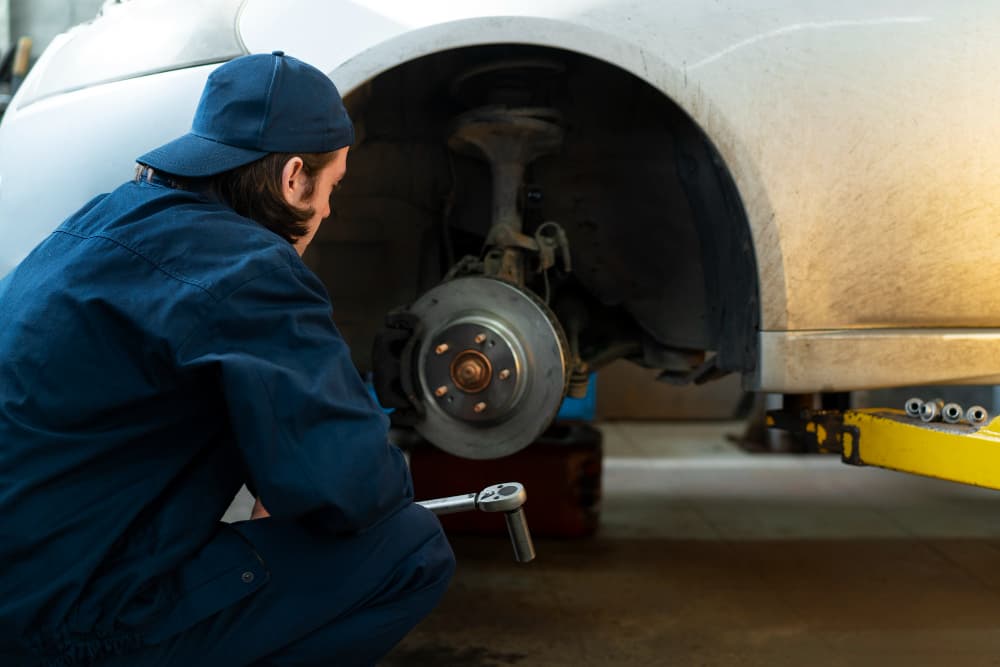
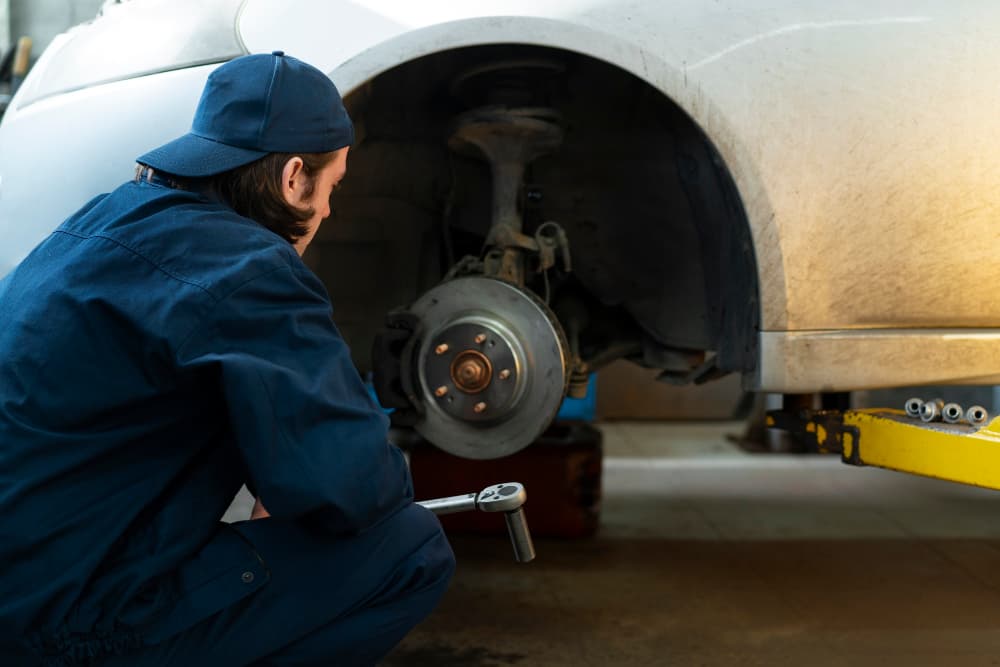
Brake failure often stems from neglected maintenance or wear over time. Components like worn brake pads, low brake fluid, or damaged brake lines can cause the braking system to underperform or fail completely. Regular brake system maintenance is essential to ensure all parts, from pads to rotors, remain functional.
In addition, external factors like overheating, fluid leaks, or poor-quality replacement parts can trigger a brake fail at the worst possible time. By scheduling routine inspections, you can detect potential issues before they turn into dangerous breakdowns.
2. Recognizing Early Warning Signs (Secondary Keywords: brake pedal issues, warning lights)
Your vehicle gives subtle hints before a brake failure occurs. If you notice your brake pedal feels “soft” or sinks to the floor, that’s a clear sign of a hydraulic issue. Likewise, screeching sounds, grinding noises, or dashboard warning lights should never be ignored.
These signs indicate a possible fluid leak or worn components that could soon cause full brake loss. Addressing these brake pedal issues promptly helps you prevent emergencies that lead to complete system failure.
3. Importance of Regular Brake Inspections (Secondary Keywords: vehicle safety, preventive maintenance)
Preventive maintenance plays a major role in avoiding sudden brake problems. Mechanics recommend inspecting brakes every 10,000–15,000 kilometers, depending on driving conditions. Such checks include evaluating the fluid level, brake pad wear, and rotor condition to ensure vehicle safety.
Investing time in regular inspections can prevent costly repairs and, more importantly, ensure you never face a brake emergency on the road. Consistent preventive maintenance keeps your car in top shape and minimizes the risk of unexpected failures.
4. How Driving Habits Affect Brake Performance (Secondary Keywords: defensive driving, brake overheating)
Aggressive driving, such as frequent hard braking or tailgating accelerates brake wear and increases the risk of overheating. Over time, this damages brake fluid and weakens the entire system. Practicing defensive driving not only extends your brake’s life but also enhances your control during emergencies.
By maintaining a safe following distance and slowing down gradually, you protect the system from undue strain. This simple habit can dramatically reduce your chances of experiencing a sudden brake fail.
5. The Role of Brake Fluid (Secondary Keywords: hydraulic pressure, brake fluid leak)
Brake fluid is the lifeline of your car’s hydraulic braking system. Any drop in fluid level or contamination reduces hydraulic pressure, making it harder for the brakes to respond. Over time, moisture can seep into the system, leading to rust and component damage.
To prevent a brake fail, ensure your brake fluid is checked and replaced according to the manufacturer’s recommendation. A clean, leak-free system guarantees consistent brake response, even in extreme conditions.
What to Do When Your Brakes Fail
Now that you know what causes brake failure, let’s focus on what actions to take immediately if it happens while driving. Quick thinking and calm execution are key to minimizing danger.
1. Stay Calm and Assess the Situation (Secondary Keywords: driver safety, emergency response)
The first and most crucial step is to remain calm. Panicking can cause overreactions that worsen the situation. Take a deep breath, grip the steering wheel firmly, and begin to assess your surroundings.
Check for nearby vehicles, open lanes, or exit routes where you can steer safely. Your focus should remain on maintaining control, as this is your best defense against a crash during a brake fail.
2. Downshift to Lower Gears (Secondary Keywords: manual transmission, automatic transmission)
Lowering gears helps your engine slow down the vehicle. In manual transmission cars, shift gradually from higher to lower gears. In automatic cars, use the “L” or “2” gear settings to gain better control.
Engine braking can significantly reduce speed without relying on hydraulic brakes. However, never downshift too suddenly, as it can cause the vehicle to skid or lose control.
3. Use the Emergency Brake (Secondary Keywords: handbrake, parking brake control)
Once you’ve slowed down slightly using engine braking, gently engage the emergency or parking brake. Apply it slowly to avoid locking the wheels.
Modern cars with electronic parking brakes often have gradual engagement systems, allowing controlled braking. Using this correctly can be a lifesaver when facing total hydraulic failure.
4. Alert Other Drivers (Secondary Keywords: hazard lights, road safety)
Turn on your hazard lights immediately to alert nearby drivers. If possible, honk your horn to warn those ahead that your brakes aren’t working.
This proactive communication gives others time to adjust their speed or change lanes, preventing collisions during your brake fail scenario.
5. Steer to Safety and Avoid Obstacles (Secondary Keywords: emergency lane, road shoulder)
Try to move your vehicle toward the road shoulder or an open area away from traffic. Use gentle steering motions — sudden jerks could cause a spin.
If your path is blocked, look for open fields, service roads, or soft terrain where the car can safely come to rest. Your goal is to minimize harm to yourself, passengers, and others on the road.
Preventing Brake Failure in the Future
After managing a brake fail incident, taking proactive steps to prevent it from happening again is critical. Regular care and responsible habits can ensure your braking system stays reliable.
1. Schedule Regular Maintenance (Secondary Keywords: certified mechanics, brake service)
Regular brake inspections by certified mechanics can prevent minor issues from turning into life-threatening failures. Schedule brake service at least twice a year or as recommended in your vehicle manual.
Professional technicians can detect subtle signs of damage, fluid leaks, or pad wear before they cause a brake fail. This proactive approach ensures consistent safety and driving confidence.
2. Use Quality Brake Components (Secondary Keywords: OEM parts, vehicle performance)
Always choose OEM or manufacturer-approved brake components. Low-quality parts might seem affordable, but they wear out faster and compromise your vehicle performance.
Investing in reliable components ensures optimal friction, reduced noise, and better braking power. This single step can save you from future emergencies and repair costs.
3. Replace Brake Fluid Periodically (Secondary Keywords: fluid flush, car maintenance schedule)
Brake fluid replacement is often overlooked in car maintenance schedules. Over time, moisture contamination lowers boiling points and reduces braking efficiency.
Performing a fluid flush every two years or as suggested by your manufacturer prevents this issue. It ensures hydraulic integrity and minimizes the risk of a brake fail.
4. Avoid Overloading the Vehicle (Secondary Keywords: vehicle weight, brake strain)
Carrying excessive weight strains your braking system, especially during downhill driving. The added load increases stopping distance and heat buildup.
Always stay within your car’s recommended load limit to protect your brake components. Doing so ensures balanced braking performance and system longevity.
5. Adopt Defensive Driving Practices (Secondary Keywords: road awareness, speed control)
Defensive driving reduces sudden braking needs and preserves your system’s health. Maintain proper distance from other vehicles and adjust your speed to traffic flow.
By anticipating obstacles and slowing early, you reduce brake strain. Over time, this improves system reliability and overall road safety.
Why Choose Crossroads Helpline for Brake Failure Emergencies
When you experience a sudden brake fail, having immediate roadside assistance can make all the difference. Crossroads Helpline offers 24×7 emergency support across India, specializing in mechanical breakdowns, towing, and on-the-spot repairs.
Their expert technicians are equipped to handle brake-related emergencies safely and efficiently. Whether you need towing, diagnostics, or quick brake restoration, Crossroads ensures you’re back on the road with confidence. With a strong network and fast response time, they’re a trusted partner for every driver who values safety and peace of mind.
Conclusion
Sudden brake failure can be terrifying, but knowing the right actions can turn panic into control. From staying calm and downshifting safely to using the handbrake strategically, each step helps minimize risk. Regular inspections and maintenance are your best prevention tools against future brake fail incidents.
When emergencies strike, Crossroads Helpline stands ready to help anytime, anywhere. Their prompt roadside support and expert services ensure your journey continues safely, no matter what happens on the road. Don’t wait for an emergency; visit Crossroads Helpline today and prepare for a safer driving experience.