Home
Home
 Roadside Assistance
 Periodic Service (SOW)
 Corporate Partnership


.webp&w=48&q=75&dpl=dpl_4uSKNgDBGZc23bh6KE61nHic6ZgM "On-Road Emergency Assistance Service")


Imagine cruising down the road on a beautiful day, the wind rushing past as you enjoy your bike ride. Suddenly, you try to slow down but realize your bike brake isn’t responding the way it should. Your heart races, and panic sets in as you scramble for control. This situation isn’t just frightening, it’s dangerous. Many riders underestimate the importance of regular brake maintenance until they experience failure firsthand. Knowing what to do in these moments can make all the difference between a close call and a serious accident.
At Crossroads Helpline, we understand that brake failures can happen to anyone, anywhere. This blog is designed to help you understand everything about bike brakes — how they work, what causes them to fail, and what steps to take when they do. You’ll also discover how professional roadside assistance can come to your rescue when you need it most. By the end, you’ll know exactly how to stay safe and why Crossroads Helpline is your best partner for on-road emergencies.
Things to Know Before Checking Your Bike Brake
Before diving into the common causes and fixes for faulty brakes, it’s crucial to understand the basics of how bike brakes function. Every rider should know the difference between brake types, their components, and the early warning signs of failure. This foundational knowledge helps you make quick, informed decisions during emergencies. Ignoring minor symptoms like squeaking or soft levers can lead to more severe issues over time.
The following sections break down the essential information every biker should know before troubleshooting or calling for help. These details will also help you communicate effectively with roadside assistance professionals from Crossroads Helpline, ensuring faster and more efficient service when you’re in distress.
Types of Bike Brakes Explained
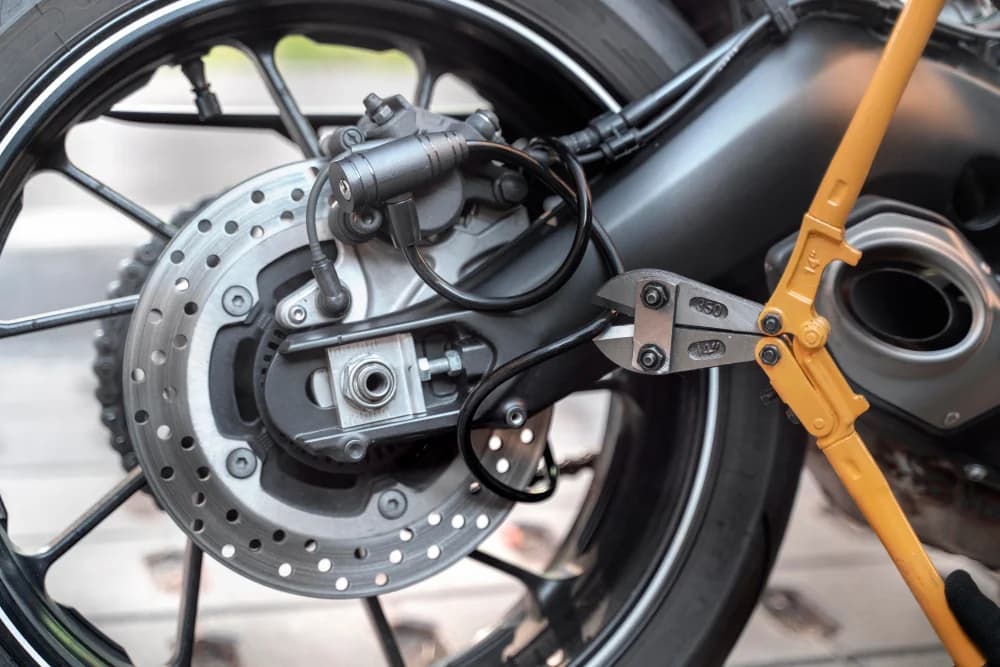
There are several types of bike brakes available, including disc brakes, drum brakes, and rim brakes. Each works differently but serves the same purpose: to help you stop safely. Disc brakes are common in modern bikes due to their superior stopping power and reliability in all weather conditions. Rim brakes, on the other hand, are lightweight and often found in standard commuter bikes, though they can wear down faster.
Understanding which brake system your bike uses is essential for maintenance and troubleshooting. For instance, disc brakes may require fluid replacement, while rim brakes might just need a quick pad adjustment. If you’re unsure, it’s always wise to contact Crossroads Helpline to get quick assistance and advice on how to proceed.
Signs Your Bike Brake Needs Attention
Before a complete brake failure occurs, there are usually warning signs. You might hear squealing noises, feel vibrations, or notice your braking distance increasing. These are red flags that shouldn’t be ignored. Over time, brake pads wear out and cables stretch, reducing your stopping efficiency. Riding under such conditions increases your risk of accidents, especially during sudden stops.
Regular inspection of your brake pads, levers, and cables can save you from unexpected failures. If you’re on the road and notice your brake performance dropping, don’t take chances — stop safely and reach out to Crossroads Helpline. Their team of professionals can quickly assist you or direct you to the nearest service provider.
Importance of Regular Brake Maintenance
Routine brake maintenance isn’t just about performance — it’s about safety. By cleaning, aligning, and lubricating your brake components regularly, you extend their lifespan and improve their reliability. Dust, moisture, and friction can affect brake efficiency, leading to sudden failure if not addressed promptly.
Crossroads Helpline recommends scheduling periodic maintenance checks, especially if you ride frequently or cover long distances. Regular maintenance also ensures that small issues, such as worn-out brake pads or low brake fluid, are detected early. This proactive approach not only enhances safety but also saves you time and money on major repairs.
When to Call for Professional Help
Sometimes, despite all precautions, your bike brake may stop working while you’re on the road. This is when calling for professional help becomes crucial. DIY repairs are not always feasible, especially in emergencies or when specialized tools are required. Attempting to fix brakes without proper knowledge might worsen the issue.
With Crossroads Helpline, you’re never alone. Their roadside assistance team can reach you quickly, providing on-the-spot help or towing your vehicle to a nearby service center. They ensure your bike is handled by experts who understand the urgency and importance of getting you back on the road safely.
Safety Tips for Handling Brake Failure on the Road
If your bike brakes suddenly fail, the first rule is to stay calm. Try using engine braking, gradually downshift to reduce speed. Avoid sudden turns or using the clutch aggressively, as this could lead to loss of control. Use available surroundings to slow down, such as riding on an uphill or rough surface.
Once you’ve come to a safe stop, move your bike off the road and switch on your hazard lights. Then, call Crossroads Helpline immediately for assistance. Their quick response can help you manage the situation efficiently and ensure that your bike is repaired by qualified mechanics.
Common Causes of Bike Brake Failure
Understanding the root causes of brake failure can help you prevent them. From worn-out pads to fluid leaks, multiple factors can contribute to decreased braking efficiency. Let’s explore the most common issues bikers face when their brakes stop working.
Worn-Out Brake Pads
Brake pads are the first line of defense when it comes to stopping your bike. Over time, they wear out due to friction. Thin or damaged pads drastically reduce braking power and can damage the rotors if not replaced on time. Riding with worn-out pads also causes uneven braking, which can be dangerous during emergencies.
Checking your brake pads regularly and replacing them when necessary is vital. If you’re unsure about their condition, contact Crossroads Helpline to connect with certified technicians who can inspect and replace them promptly. A small replacement today can prevent major issues tomorrow.
Brake Fluid Leaks
In hydraulic braking systems, brake fluid plays a crucial role in transmitting pressure from the lever to the calipers. A leak in the brake line can cause a significant drop in braking power. You might notice spongy brake levers or visible fluid stains near the calipers or reservoir.
Ignoring brake fluid issues can result in complete system failure. Regularly checking fluid levels and sealing leaks immediately is essential. Crossroads Helpline can provide immediate assistance if you suspect a fluid leak, ensuring that your brakes are fixed before you get back on the road.
Damaged Brake Cables
For bikes with mechanical brakes, cables are the lifelines that connect levers to calipers. Over time, these cables can stretch, fray, or rust, making them less responsive. A damaged cable can snap unexpectedly, causing total brake failure at the worst possible time.
Inspecting brake cables frequently ensures smooth and safe operation. If you notice stiffness or unusual resistance while pulling the brake lever, it’s time for a replacement. Crossroads Helpline can help you find the nearest workshop or dispatch on-site support to fix cable-related issues quickly.
Overheated Brake Discs
Excessive braking, especially during downhill rides, can cause your brake discs to overheat. This leads to brake fade, where the brakes lose effectiveness temporarily. Overheating can also warp the discs, reducing contact with the pads and compromising braking power.
Avoid continuous hard braking to prevent overheating. If you suspect your brakes are overheating, let them cool before riding further. Crossroads Helpline’s experts can inspect your system for heat damage and recommend necessary repairs or replacements.
Contaminated Brake Pads or Rotors
Oil, grease, or debris on brake pads or rotors can significantly affect braking performance. Contaminants reduce friction and cause squeaking sounds, making braking unpredictable. This often happens when improper cleaning products or lubricants are used near the braking system.
If your brakes feel slippery or inconsistent, clean the components using brake cleaner or seek professional help. Crossroads Helpline offers guidance on safe cleaning practices and can direct you to trusted service stations equipped to handle contamination issues effectively.
Why Choose Crossroads Helpline for Brake Issues?
When your bike brake fails, you need immediate and reliable help. Crossroads Helpline offers 24/7 roadside assistance to ensure you’re never stranded. Their trained professionals can handle a variety of mechanical failures, from brake issues to tire punctures. Whether you need towing, repair, or guidance, their team ensures prompt service tailored to your needs.
What sets Crossroads Helpline apart is their customer-first approach. They understand that breakdowns can be stressful, so they provide real-time support, transparent pricing, and expert technicians. With nationwide coverage and a commitment to safety, Crossroads Helpline is your trusted companion for any on-road emergency.
Conclusion
Brake failure can happen anytime, but with the right knowledge and support, it doesn’t have to turn into a disaster. By staying alert to warning signs, maintaining your bike regularly, and relying on trusted professionals, you can keep every ride safe and smooth. Understanding your bike brake system empowers you to act confidently in emergencies.
Crossroads Helpline ensures that whenever you face a brake issue or any roadside problem, help is just a call away. Their expert team, quick response time, and reliable services make them the ultimate partner for every rider. Stay safe, stay informed, and remember, with Crossroads Helpline, you’re never alone on the road.