Home
Home
 Roadside Assistance
 Periodic Service (SOW)
 Corporate Partnership


.webp&w=48&q=75&dpl=dpl_4uSKNgDBGZc23bh6KE61nHic6ZgM "On-Road Emergency Assistance Service")


Introduction
Every rider in India understands the importance of safety when navigating busy city roads or open highways.
Whether you are cruising through city traffic or enjoying a long weekend ride, one essential component that ensures your safety is your bike brake system. The performance and reliability of your motorcycle brakes directly determine how quickly you can stop and avoid mishaps. As bikes evolve with technology, so do the types of brakes available, each offering unique advantages and applications suited for different motorcycles.
This blog explores the different types of bike brakes used in motorcycles, helping you understand their working mechanisms, pros, and cons. By the end of this post, you’ll have a clear idea of which brake system suits your riding style and needs best. Whether you’re a commuter, racer, or long-distance rider, knowing your options can help improve safety and performance. If you ever face a roadside emergency or brake failure, Crossroads Helpline is just a call away to offer quick roadside assistance across India.
Things to Know Before Choosing the Right Bike Brake
Before exploring different brake systems, it’s essential to understand the key elements that influence brake performance and maintenance. Factors like your motorcycle’s engine capacity, riding terrain, and maintenance habits play a crucial role in deciding which brake system is best for you. These fundamentals form the base for understanding advanced braking mechanisms.
1. Understanding Brake Function and Safety
Brakes are the heart of a motorcycle’s safety system. When you apply the lever or pedal, friction between brake pads and the wheel’s surface slows down the bike. The better this friction mechanism works, the safer and smoother your stop will be. Modern motorcycles now come equipped with advanced brake technologies that optimize pressure and minimize skidding.
Equally important is knowing how brake types differ in response time and reliability. Drum brakes, for example, provide gradual stopping, while disc brakes offer quicker and more precise braking. Riders should evaluate the brake feel, feedback, and efficiency during both high-speed and low-speed rides to determine their ideal setup.
2. The Role of Brake Pads and Rotors
Brake pads and rotors play a significant role in overall braking efficiency. High-quality pads provide consistent friction, while rotors (or discs) ensure even heat distribution. These two components must work in harmony to maintain stable performance in various riding conditions.
Choosing the right material for brake pads can impact stopping power. Organic pads offer smooth engagement, while sintered pads provide better performance under heat. Regular inspection and timely replacement of pads prevent wear-related issues and maintain the reliability of your bike brakes.
3. Importance of Regular Maintenance
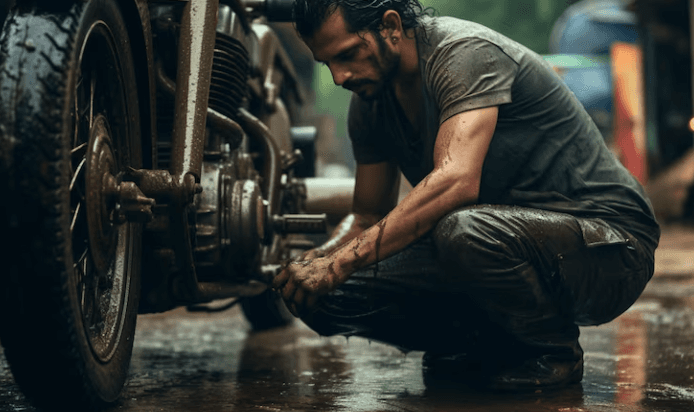
Even the most advanced braking systems require consistent maintenance to function properly. Regular cleaning of the brake calipers and replacing brake fluid ensure optimal performance. Ignoring these maintenance steps can result in brake fade, delayed stopping, or complete failure.
Maintenance also includes monitoring the brake lever’s responsiveness and pedal feel. If you notice increased lever travel or reduced braking strength, it might be time for servicing. Regular care ensures longevity, safety, and confidence during rides.
4. Matching Brake Type with Riding Style
The type of braking system your bike needs largely depends on your riding pattern. Daily commuters may prefer low-maintenance brakes, while performance riders need responsive systems capable of handling high speeds. Matching brake characteristics with your style prevents unnecessary wear and enhances control.
For example, scooters and commuter bikes often use drum brakes for simplicity, while sports bikes rely on hydraulic disc systems for better modulation. Understanding your motorcycle’s purpose ensures your braking system performs efficiently in all conditions.
5. Impact of Weather and Terrain on Braking
Indian roads are unpredictable—ranging from smooth highways to wet, uneven roads. Weather conditions like rain can reduce traction, making braking more challenging. Disc brakes tend to perform better in wet conditions, while drum brakes may lose efficiency due to water entry.
Therefore, riders must consider their region’s climate and riding surface. Investing in a braking system that performs consistently under diverse weather and terrain conditions enhances safety and reliability.
Types of Bike Brakes Explained
Once you understand the basics, it’s time to explore the various types of bike brakes available in India. Each type has its own structure, benefits, and ideal use cases.
1. Drum Brakes
Drum brakes are one of the oldest and most widely used braking systems, especially on commuter motorcycles and scooters. They work by pressing brake shoes against the inside of a rotating drum, generating friction to slow the bike down.
These brakes are cost-effective, easy to maintain, and ideal for daily commuting. However, they offer less heat dissipation, which can cause brake fade during prolonged or high-speed braking. Their gradual response makes them suitable for lightweight motorcycles and urban riders.
2. Disc Brakes
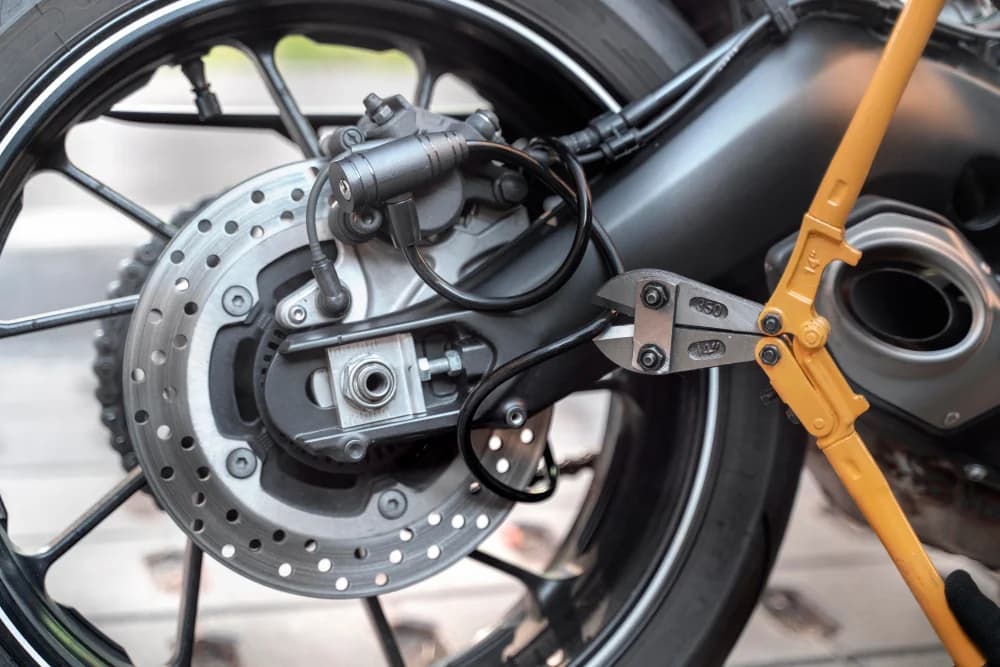
Disc brakes are more efficient and commonly found on modern motorcycles. They operate by squeezing brake pads onto a rotor attached to the wheel, providing quick and precise braking. The system’s design allows better heat dissipation, reducing brake fade.
Motorcycles equipped with disc brakes offer better control, especially during emergency braking. Though slightly costlier, they deliver superior performance and are a must-have for riders prioritizing safety and stability.
3. Combined Braking System (CBS)
CBS, or Combined Braking System, ensures that when you apply one brake—typically the rear—it automatically distributes some braking force to the front wheel. This balanced distribution prevents the rear wheel from locking up and promotes stability.
Ideal for beginner riders, CBS enhances confidence by making braking smoother and more predictable. Many commuter motorcycles in India now feature CBS as a standard safety measure to meet regulatory norms.
4. Anti-lock Braking System (ABS)
ABS is a revolutionary safety feature in modern motorcycles. It prevents wheel lock-up during sudden braking by modulating the brake pressure automatically. The result is a controlled stop even on slippery or uneven surfaces.
ABS is especially beneficial for high-speed riders and those who frequently travel on highways. Although it adds to the bike’s cost, the enhanced safety and control it offers make it a worthy investment for any serious rider.
5. Regenerative Braking in Electric Motorcycles
With the rise of electric motorcycles in India, regenerative braking has gained attention. This system recovers some of the energy used in braking and feeds it back into the battery, improving efficiency and range.
Besides energy recovery, regenerative braking offers smoother deceleration and reduces wear on mechanical brake components. It’s an eco-friendly technology that complements the future of electric mobility.
Why Choose Crossroads Helpline for Motorcycle Assistance
Even with the best braking systems, emergencies can happen on the road. That’s where Crossroads Helpline becomes your trusted partner. Offering nationwide roadside assistance, Crossroads provides immediate help for breakdowns, towing, punctures, and brake failures, ensuring you’re never stranded.
The service is available 24/7 and designed for bikers who value safety and convenience. With a simple call or app request, help arrives swiftly, minimizing downtime and ensuring peace of mind. Whether you face a minor brake issue or a complete failure, Crossroads Helpline technicians are trained to handle it professionally and efficiently.
Conclusion
Choosing the right bike brake system is vital for every rider’s safety and comfort. From traditional drum brakes to advanced ABS and regenerative systems, each offers unique advantages based on riding habits and terrains. Regular maintenance, awareness, and timely upgrades can significantly enhance your motorcycle’s performance and reliability.
Crossroads Helpline not only supports riders during emergencies but also empowers them with safety insights through its services and guidance. Stay safe, ride responsibly, and always ensure your braking system is in top condition—because on the road, every second counts.