 Home
Home
 Roadside Assistance
 Periodic Service (SOW)
 Corporate Partnership


.webp&w=48&q=75&dpl=dpl_8RapWvh1zVezpBPK66yKqsf6U6Sx "On-Road Emergency Assistance Service")



Imagine you are driving down a familiar road, the music is playing softly, and everything feels under control. Suddenly, when you press the brake pedal, nothing happens. The car doesn’t slow down, and panic rushes through your veins. This terrifying situation, known as a brake fail, can happen to anyone, anywhere, and it often strikes without warning. Understanding why it happens and how to prevent it is essential for every driver who values safety and control on the road.
In this blog, we will dive deep into the main causes of brake failure and the best ways to prevent them. You’ll learn about common mechanical issues, warning signs you should never ignore, and maintenance practices that can save lives. If you ever find yourself in such a situation, knowing how to react quickly can make all the difference. Let’s explore how to keep your car safe and your brakes strong. Need emergency help? Contact Crossroads Helpline for quick roadside assistance anytime, anywhere.
Things to Know Before Understanding Why Brakes Fail
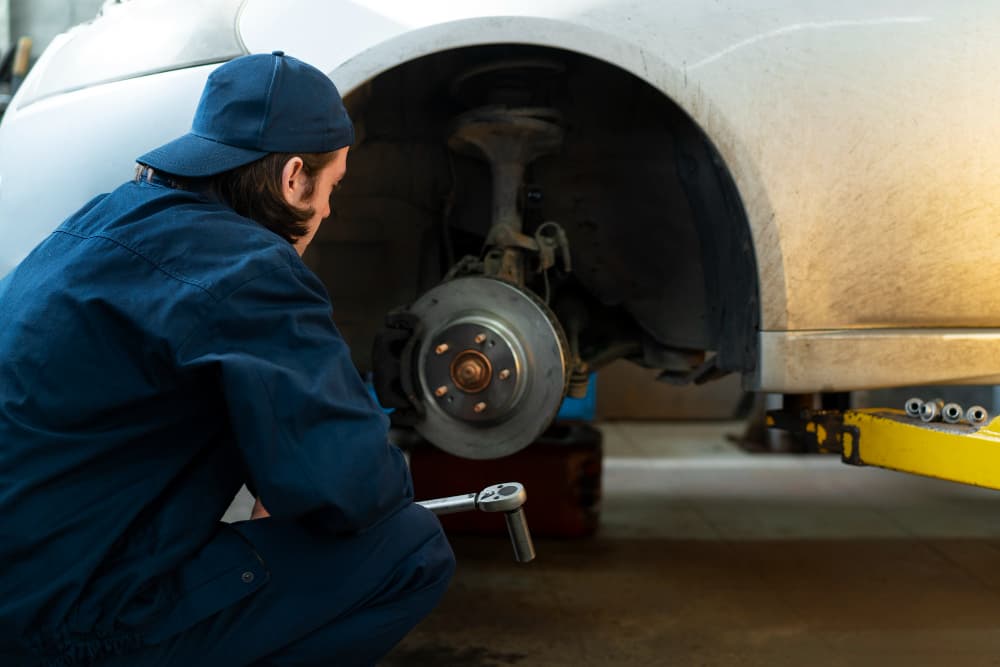
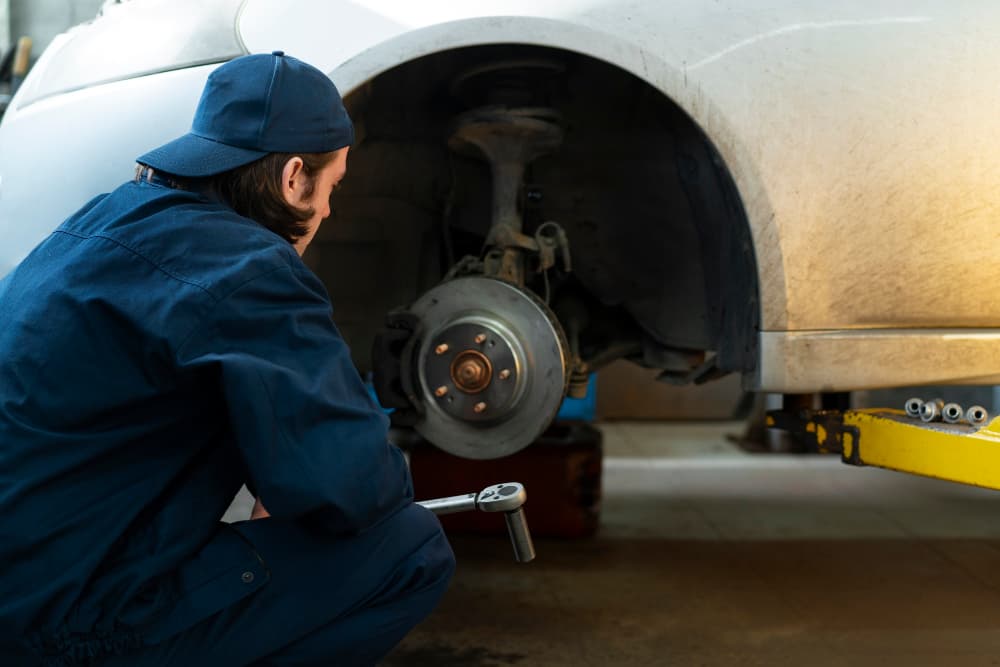
Before we dive into the reasons behind brake failure, it’s essential to understand how car brakes work. The braking system is an intricate network of components including brake pads, rotors, calipers, and hydraulic fluid. Together, they convert kinetic energy into heat, allowing your car to stop smoothly. Knowing these basics helps you recognize how minor neglect can lead to major issues over time.
When we talk about brake failure, we’re not just referring to total loss of braking power. Sometimes, partial brake failure or reduced performance can be equally dangerous. Early detection of signs such as squeaking noises, soft pedals, or longer stopping distances can prevent catastrophic events. Let’s look at some vital aspects you should be aware of before exploring specific causes.
1. Understanding Brake System Components
Your car’s braking system consists of several crucial parts working in harmony. The brake pedal, master cylinder, brake lines, calipers, and pads all play unique roles in ensuring efficient braking. The master cylinder uses hydraulic pressure to transmit the force from your foot to the brakes at each wheel.
If any part of this chain fails whether through fluid leakage, worn-out pads, or air bubbles in the brake lines the overall braking performance is compromised. Regular inspections can help identify component wear early, ensuring safe and smooth braking. Always choose certified mechanics for brake servicing to maintain system reliability.
2. Importance of Brake Fluid Maintenance
Brake fluid acts as the lifeblood of the braking system. It transfers the pressure applied on the brake pedal to the brake pads via hydraulic lines. Over time, this fluid can absorb moisture, leading to reduced boiling points and potential vapor lock, which causes a spongy pedal feel.
To maintain effectiveness, brake fluid should be changed according to your vehicle manufacturer’s recommendations usually every two years. Neglecting fluid maintenance is one of the most common causes of brake fail incidents. Always ensure your fluid reservoir is at the right level and free from contamination.
3. Recognizing Early Warning Signs
Your car gives you clear signals before a serious issue arises. Squeaking, grinding, or screeching noises when braking usually indicate worn-out pads or misaligned rotors. A burning smell or vibrations through the steering wheel are also red flags that should never be ignored.
Addressing these symptoms early can prevent total brake failure and reduce costly repairs. If you ever notice that your brake pedal feels unusually soft or sinks to the floor, stop driving immediately and contact Crossroads Helpline for emergency assistance.
4. The Role of Driving Habits
Your driving style directly affects your braking system’s lifespan. Constant hard braking, tailgating, and aggressive driving generate excessive heat, which wears down brake pads and rotors faster. Similarly, riding the brakes on downhill roads can overheat components, causing brake fade.
Adopting safer driving habits like maintaining safe distances and using engine braking when possible helps preserve your brakes. Good habits not only prevent mechanical issues but also ensure better control in emergencies, reducing the chances of brake-related accidents.
5. Weather and Environmental Factors
Environmental conditions like extreme heat, humidity, or water exposure can significantly impact your brake system. For instance, driving through deep water can cause the brake components to become wet, leading to temporary loss of friction. Similarly, prolonged heat can cause brake fluid to vaporize, reducing hydraulic pressure.
Drivers should always test their brakes after passing through puddles or floods. Regular maintenance and quality replacement parts help withstand changing weather conditions, ensuring safety in every season.
Common Reasons Why Car Brakes Fail
Now that you understand the fundamentals of how brakes work, it’s time to explore the most common reasons behind brake failure. These causes often stem from poor maintenance, worn components, or external conditions.
1. Worn-Out Brake Pads and Rotors
Brake pads endure high friction and heat, gradually wearing down with every use. When they become too thin, they lose the ability to generate enough stopping force. Similarly, rotors can warp due to excessive heat, leading to vibrations and inefficient braking.
Replacing brake pads at the recommended intervals typically every 30,000 to 70,000 kilometers is vital. If you hear grinding noises or experience shaky braking, it’s time for immediate servicing. Ignoring these signs increases stopping distance and can result in complete brake fail, on the road.
2. Brake Fluid Leaks
One of the leading causes of brake failure is fluid leakage. Even a small leak can lead to air entering the hydraulic system, drastically reducing braking efficiency. Common sources include damaged brake lines, worn seals, or faulty master cylinders.
Always check for fluid puddles under your vehicle or a soft, spongy pedal feel. Addressing leaks early prevents total hydraulic failure. Mechanics at Crossroads Helpline recommend checking fluid levels regularly during oil changes for added safety.
3. Overheated Brakes (Brake Fade)
Overheating occurs when brakes are used continuously, especially on long downhill drives or during high-speed braking. The excessive heat reduces friction between the pad and rotor, resulting in what’s known as brake fade.
To prevent this, use engine braking when descending slopes and avoid excessive hard braking. Allowing the brakes to cool intermittently helps maintain consistent performance. Overheating not only shortens brake life but can also cause dangerous delays in stopping.
4. Air in the Brake Lines
When air bubbles enter the brake lines, they compress under pressure, preventing proper hydraulic force transfer. This results in a soft pedal and poor braking response. The most common cause of air in lines is improper bleeding during maintenance.
Bleeding the brakes removes trapped air, restoring proper function. Regular servicing by certified professionals ensures that your brake system remains air-free and reliable. Always trust experienced technicians like those at Crossroads Helpline for complete brake system checks.
5. Faulty ABS (Anti-Lock Braking System)
Modern vehicles rely on ABS for stability and control during sudden stops. However, malfunctioning ABS sensors or electrical faults can cause the system to misbehave, leading to uneven braking or lock-up.
If the ABS warning light appears on your dashboard, get it checked immediately. Ignoring it can compromise traction and increase the risk of accidents during emergencies. Routine electronic diagnostics during servicing help detect and fix ABS issues early.
Preventive Maintenance Tips for Brake Safety
Regular maintenance is key to avoiding brake failure. Preventive care ensures that all components remain in top shape and function optimally.
1. Routine Inspections
Schedule brake inspections at least twice a year. Technicians will assess pad thickness, rotor condition, and fluid quality. Timely replacements prevent expensive repairs later.
A routine checkup ensures that your car remains roadworthy. Crossroads Helpline’s team offers comprehensive inspection services designed to catch problems before they turn into emergencies.
2. Use Quality Parts
Using cheap, low-quality brake pads or rotors may save money short-term but can lead to severe safety risks. Always choose OEM or certified aftermarket parts for durability and performance.
High-quality materials resist heat and wear better, ensuring consistent braking. Reliable components give you peace of mind during long drives and emergency stops.
3. Regular Brake Fluid Replacement
Brake fluid absorbs moisture over time, reducing its effectiveness. Regularly flushing and replacing it prevents internal corrosion and vapor lock.
Always follow your vehicle manufacturer’s recommended replacement schedule. Using DOT-approved fluids suited for your car model enhances performance and extends component lifespan.
4. Listen and Feel for Changes
Your car communicates through sounds and sensations. Pay attention to any new noises or pedal responses. Early detection can prevent a serious issue.
If you ever suspect a brake problem, stop driving and contact Crossroads Helpline immediately. They provide 24/7 emergency roadside assistance to ensure your safety.
5. Safe Driving Practices
Smooth driving extends brake life. Anticipate stops, maintain distance, and avoid unnecessary hard braking. Defensive driving not only protects your car but also keeps everyone on the road safe.
These simple habits, combined with consistent maintenance, dramatically reduce the risk of brake-related accidents. Responsible driving is your first line of defense against unexpected failures.
Why Choose Crossroads Helpline for Brake Assistance
When brake issues strike unexpectedly, having a reliable partner is crucial. Crossroads Helpline offers immediate roadside assistance, expert mechanical support, and professional guidance for all vehicle emergencies. Their trained technicians are equipped with the latest tools to diagnose and resolve brake-related problems efficiently.
Beyond emergency response, Crossroads Helpline provides preventive maintenance plans that help you stay ahead of potential failures. With 24/7 availability, nationwide coverage, and customer-focused service, they ensure that drivers never feel stranded. Choosing Crossroads Helpline means prioritizing safety, reliability, and peace of mind on every journey.
Conclusion
Brake failures can be terrifying, but with proper care and awareness, they are largely preventable. Understanding how your braking system works, maintaining fluid levels, and replacing worn parts on time go a long way in ensuring safety. Your car’s brakes are its most critical safety feature never take them for granted.
For emergency support or routine maintenance,Crossroads Helpline is your trusted ally on the road. Their team of professionals ensures that your vehicle remains in top condition, giving you confidence behind the wheel. Stay proactive, stay safe, and remember strong brakes mean a secure drive every time.